Gallbladder Removal Surgery: Recovery, Diet, and Aftercare
What is gallbladder removal surgery?
Gallbladder removal surgery, medically called cholecystectomy, is a procedure that removes the gallbladder to treat or prevent gallstones. Surgeons perform it laparoscopically (through small incisions) or as open surgery, depending on the complexity. If you have gallstone symptoms like sharp abdominal pain, nausea, or bloating, your doctor may recommend this procedure.
After the surgery, loose stools and watery diarrhea are common side effects that can last from a few weeks to several months. You may also feel pain and itching around the surgical site for a few days. Following your surgeon’s aftercare instructions closely makes a real difference in how quickly you bounce back.
How to care for your surgical wounds
Your surgeon may use dissolvable stitches to close the incisions. These typically fall out on their own within a week or two. If non-dissolvable sutures were used, you will need to visit your surgeon’s office 7 to 10 days after the procedure to have them removed.
Ask your doctor exactly how to clean the wound and how often to change the dressing. Keep the area dry and avoid submerging it in water until cleared. Small scars are normal at the incision sites, and they fade over time. If you notice redness, swelling, or discharge around any incision, contact your doctor immediately.
What to eat after gallbladder removal surgery
Avoid high-fat foods for the first week
Skip fatty meats, fried foods, greasy dishes, thick gravies, and creamy sauces for at least one week after surgery. Without a gallbladder, your body can no longer store bile to break down large amounts of fat at once. Eating too much fat in a single sitting can cause gas, bloating, and diarrhea. Smaller portions of fat are easier for your digestive system to handle.
Focus on low-fat, high-fiber foods
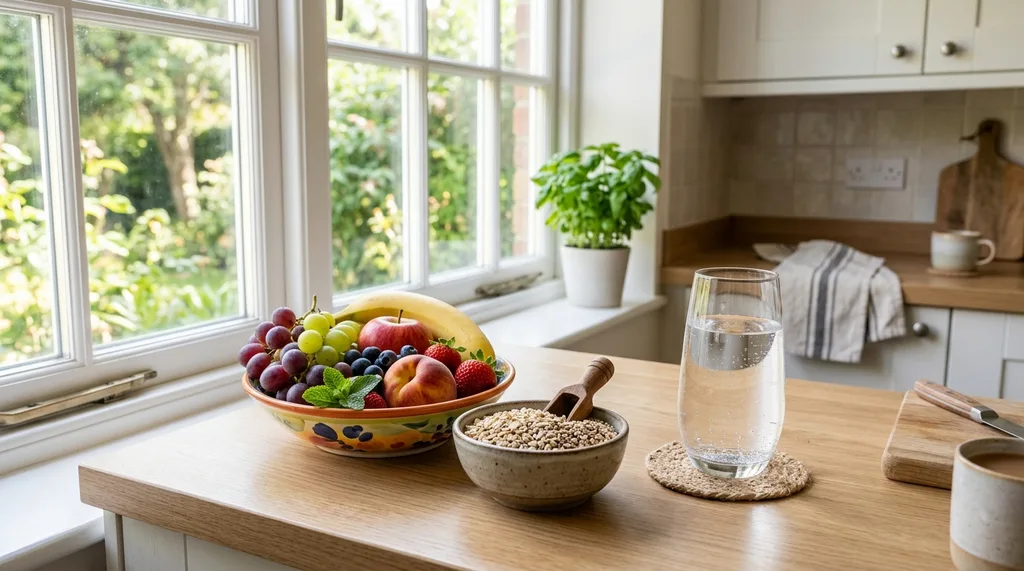
Build your meals around grains, white fish, lentils, baked chicken, fruits, and vegetables. Stick to foods with 3 grams of fat or less per serving, and check nutrition labels on packaged items. As you heal, gradually increase your fat intake over several weeks based on how your body responds.
Fiber-rich foods like watermelon, bananas, strawberries, oats, barley, brown rice, cauliflower, lentils, peas, beans, and carrots help soften stools and reduce constipation. According to NHS recovery guidelines, gradually increasing fiber over several weeks prevents cramping and gas that can come from adding too much too quickly.
Switch to low-fat dairy
Whole-milk dairy products can trigger stomach discomfort and diarrhea after gallbladder removal. Replace them with skim milk, low-fat cheese, and low-fat yogurt. If dairy continues to bother you even in low-fat forms, try lactose-free alternatives until your digestion stabilizes.
Hydration and general diet tips
Diarrhea after surgery can drain your body of fluids, vitamins, and minerals. Drink plenty of water throughout the day. Sports drinks containing potassium, sodium, and chloride can also help replace lost electrolytes. Aim for at least 8 glasses of water daily during recovery.
Keep eating a balanced diet until your digestion returns to normal. Your appetite may take a few days to come back, and that is completely normal. Eat smaller, more frequent meals rather than large ones. This puts less strain on your digestive system and helps you feel better throughout the day. If you are also working on eating right for your health goals, the principles of balanced nutrition apply even more during recovery.
Exercise and activity after surgery
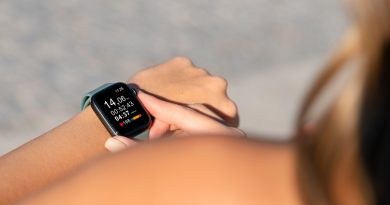
Fatigue is normal during the first week. Get plenty of rest and let your body recover. Once you feel ready, start with 15 to 20 minutes of light walking each day. Walking reduces the risk of blood clots after surgery and can ease side effects like gas, bloating, and difficulty passing stool.
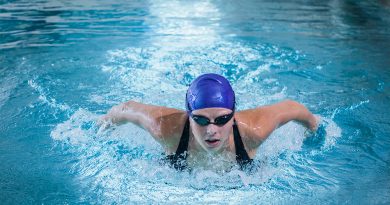
Avoid heavy lifting (anything over 5 to 6 kilograms) and intense workouts for 4 to 6 weeks. If you have had other abdominal procedures, your recovery timeline may differ — similar to patients recovering from types of hernia repair surgery. Always check with your surgeon before increasing activity levels.
What to avoid during recovery
Alcohol and caffeine
Both alcohol and caffeinated drinks can cause constipation, harden stools, and increase strain during bowel movements. They also raise the risk of post-surgical complications. Most surgeons recommend avoiding alcohol and caffeine for one week before surgery and two to three weeks afterward.
Smoking
Smoking reduces oxygen flow to the blood vessels around your wound, which slows healing. According to research on post-cholecystectomy diarrhea, lifestyle factors including smoking can worsen digestive recovery. Surgeons typically advise quitting for at least three months before and after the procedure.
When to call your doctor
Even if you follow every aftercare instruction, watch for warning signs that something is not right. Contact your doctor immediately if you experience severe abdominal pain, fever above 38°C (100.4°F), persistent vomiting, jaundice (yellowing of the skin or eyes), or signs of infection at the incision site. Early intervention prevents minor complications from becoming serious problems.
Frequently asked questions
How long does it take to recover from gallbladder removal surgery?
Most patients return to normal activities within 1 to 2 weeks after laparoscopic gallbladder removal. Open surgery recovery takes longer, typically 6 to 8 weeks.
What should I eat after gallbladder removal?
Start with soft, bland foods like toast, rice, bananas, and clear broths. Avoid fatty, fried, or spicy foods for the first week to prevent bloating and diarrhea.
When can I drive after gallbladder surgery?
You can typically resume driving 1 to 2 weeks after surgery, provided you can react quickly and comfortably in an emergency and are no longer taking prescription painkillers.
Is diarrhea normal after gallbladder removal?
Yes. Temporary digestive issues including loose stools and bloating are common as your body adjusts to bile flowing directly into the intestine. This typically resolves within 2 to 8 weeks.
When can I exercise after gallbladder removal surgery?
Light walking is recommended immediately after surgery to prevent blood clots. Avoid intense exercise and heavy lifting over 5 to 6 kilograms for 4 to 6 weeks.