
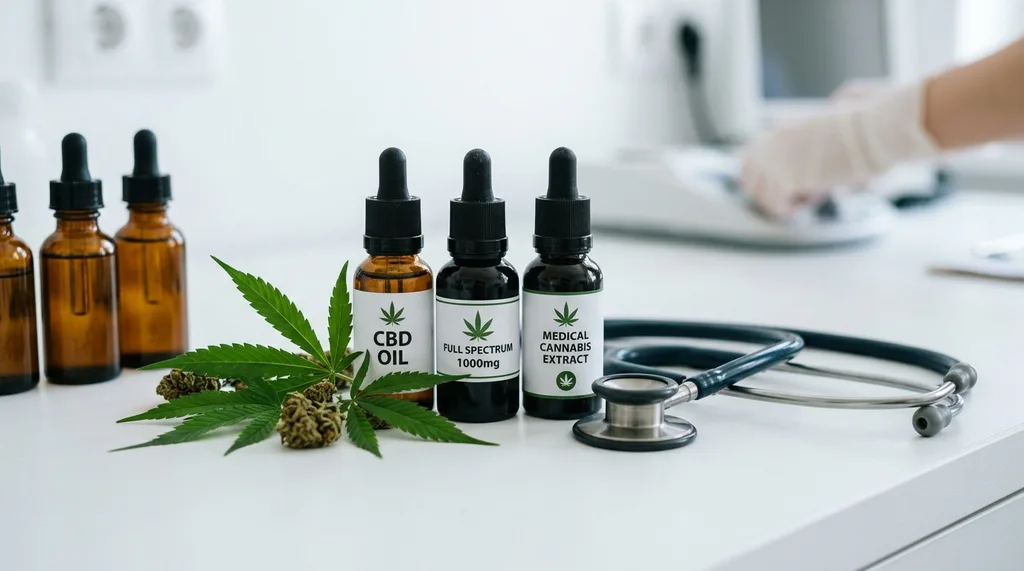
Medical Conditions That Marijuana May Help Treat
What conditions can medical marijuana treat?
Medical marijuana refers to the use of the cannabis plant — or its chemical compounds — to treat or manage specific health conditions. More than 40 US states have now legalized some form of medical marijuana, though state laws vary significantly on which conditions qualify, how it can be purchased, and what forms of consumption are permitted. All uses require a physician’s recommendation, and dosing should be managed under medical supervision.
According to the National Institutes of Health (NIH), the strongest evidence for medical marijuana’s effectiveness exists in the areas of chronic pain, chemotherapy-induced nausea and vomiting, and patient-reported multiple sclerosis spasticity symptoms. Here is a review of the conditions where research currently supports its use.
Chronic pain
Chronic pain is the most common reason Americans seek medical marijuana. Studies using representative samples of US patients have found that cannabis reduced pain by approximately 40% in patients dealing with conditions including peripheral neuropathy, multiple sclerosis, spinal cord injury, cancer-related pain, rheumatoid arthritis, and muscle and joint injuries. The analgesic effect appears to work through the endocannabinoid system rather than the opioid system, making it a potentially useful complement or alternative to opioid pain management in appropriate patients.
Epilepsy and seizure disorders
CBD (cannabidiol), a non-intoxicating cannabis compound, has the strongest evidence base of any cannabis-derived treatment for epilepsy. Epidiolex, a purified CBD medication, is FDA-approved for the treatment of Dravet syndrome and Lennox-Gastaut syndrome — two severe forms of childhood epilepsy. Parents of children with treatment-resistant epilepsy have been among the strongest advocates for medical cannabis access, reporting significant reductions in seizure frequency.
Glaucoma
Research has shown that THC can reduce intraocular pressure by acting on the optic nerve — the mechanism that makes it relevant to glaucoma management. However, medical cannabis is generally considered a supplemental rather than primary treatment for glaucoma. The reduction in eye pressure is temporary, typically lasting three to four hours, and THC can also lower blood pressure, which may reduce blood flow to the optic nerve if not carefully monitored.
Multiple sclerosis and muscle spasms
Medical marijuana has shown promise in reducing muscle spasms, pain, tremors, and stiffness associated with multiple sclerosis. Both animal studies and human clinical trials have found that cannabis compounds help manage spasticity — one of the most difficult MS symptoms to treat with conventional medications. Nabiximols (Sativex), a cannabis-based oral spray, is approved in several countries specifically for MS-related spasticity.
Sleep disorders
Cannabis, particularly strains or formulations with higher THC content, is commonly used to manage insomnia, particularly insomnia related to chronic pain, anxiety, PTSD, and multiple sclerosis. A Colorado survey found that more than one-third of medical marijuana users reported improved sleep onset. THC and CBD may both contribute to sleep improvement through different mechanisms: THC by reducing time to sleep onset, CBD by potentially reducing anxiety that interferes with sleep. Long-term use requires careful medical oversight, as tolerance to THC’s sleep-promoting effects can develop.
HIV/AIDS symptoms
Medical marijuana has been used to manage several symptoms associated with HIV/AIDS, including neuropathic pain, appetite loss, nausea, and depression. Surveys of HIV-positive individuals have found that cannabis users reported better sleep quality, weight gain, improved mood, and fewer neuropathic symptoms. As with other conditions, medical supervision is essential to avoid drug interactions with antiretroviral medications.
Anxiety, depression, and PTSD
Medical marijuana is used as an adjunct or alternative treatment for anxiety, depression, and post-traumatic stress disorder in some patients. A survey found that approximately 1 in 5 older adults reported using medical cannabis to manage anxiety or depressive episodes. The Mayo Clinic notes that while cannabis may provide short-term relief for anxiety symptoms, it can also worsen depression in some individuals, particularly with heavy or unsupervised use. Low doses under physician guidance are the recommended approach when it is used for mood disorders.
Cancer pain and chemotherapy side effects
Medical marijuana is used in oncology settings primarily to manage pain, nausea, vomiting, appetite loss, and weight loss associated with cancer and chemotherapy treatment. Cannabis does not treat cancer itself, but it is a useful palliative tool. Several cancer centers now offer medical marijuana consultations as part of comprehensive pain and symptom management. For patients in end-of-life care, it can meaningfully improve comfort and quality of life.
Alzheimer’s disease
Early research suggests medical marijuana may have a role in Alzheimer’s disease management — specifically in reducing agitated behavior, stimulating appetite, and potentially slowing the growth of amyloid plaques in the brain. However, the evidence base is significantly weaker here than for pain or epilepsy, and most studies have been small. Medical marijuana for Alzheimer’s disease is used cautiously and on a case-by-case basis.
If you are navigating substance use issues alongside health conditions, our guide to medical detox explains how supervised withdrawal works. For a broader perspective on the cannabis industry, our overview of the medical marijuana industry covers the regulatory and market context.
Frequently asked questions about medical conditions marijuana can treat
How do you get a medical marijuana prescription?
In states where medical marijuana is legal, a licensed physician evaluates your condition and determines whether you qualify under your state’s approved list of conditions. A medical marijuana card then allows you to purchase from a licensed dispensary.
Can medical marijuana cure the conditions it is used for?
No. Medical marijuana is a symptom management tool, not a cure. It is supported by research for relieving pain, nausea, spasticity, and sleep disruption in specific conditions. Self-medication without physician guidance is not recommended.
Is CBD the same as medical marijuana?
No. CBD is one compound from the cannabis plant that does not produce intoxication. Medical marijuana refers to whole-plant or full-extract products that may contain both THC and CBD. CBD-only products are federally legal in the US; whole-plant marijuana remains a Schedule I controlled substance under federal law.
What are the main methods of consuming medical marijuana?
Medical marijuana can be smoked, vaporized, taken as edibles, capsules, tinctures, or applied topically as creams or patches. Oral methods take longer to act but produce longer-lasting effects than inhalation.
Is medical marijuana safe for older adults?
Older adults can use medical marijuana under physician supervision, but need more caution due to potential drug interactions and increased sensitivity to THC. Starting at the lowest dose possible and monitoring closely is the standard recommendation.



Pingback: How to Use a Vape Pen: A Beginner's Guide