
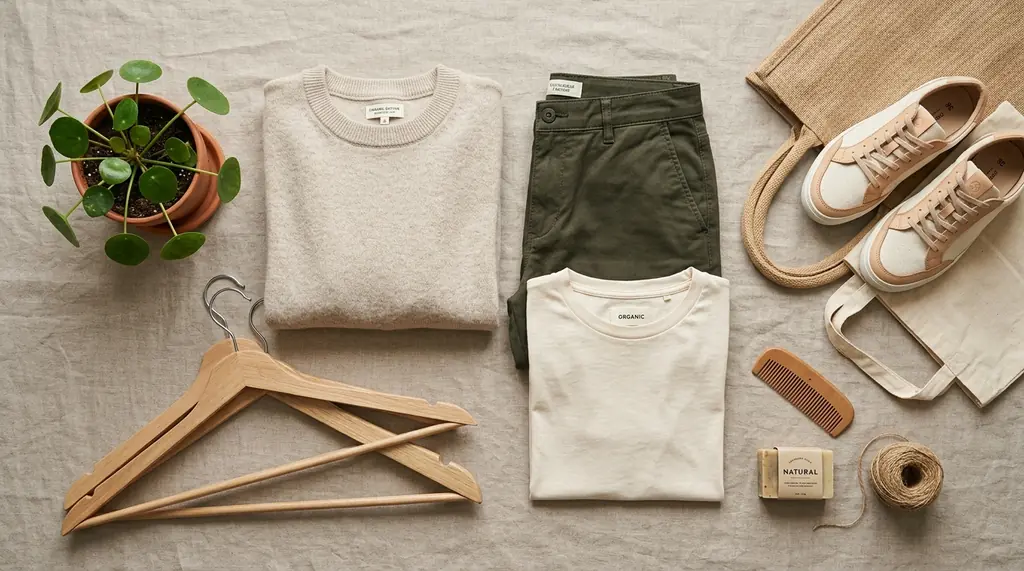
Why Eco-Friendly Fashion Is More Than a Trend: 6 Reasons It’s Here to Stay
The fashion industry produces approximately 10% of annual global carbon emissions and is responsible for 20% of global wastewater — figures that have driven growing consumer pressure on the industry to change. Eco-friendly fashion has moved from niche to mainstream because of that pressure, not despite it. A 1,600% increase in searches for “pre-loved clothing” following Love Island UK’s decision to partner with eBay’s secondhand marketplace is one data point among many that suggest the shift in consumer behavior is real and lasting.
This isn’t about a single season’s trend. It’s a structural change in how clothing is made, sold, and discarded — and it’s driven by six factors that are unlikely to reverse.
1. Accessible Platforms Have Made Sustainable Shopping Mainstream
A decade ago, buying secondhand or sustainably produced clothing required either specialist knowledge or serious effort. That’s changed. Peer-to-peer resale platforms like Vinted, ThredUp, and Poshmark have made it straightforward to buy and sell pre-loved clothing without leaving the house. ThredUp’s 2024 Resale Report projects the secondhand market will reach $350 billion globally by 2028.
At the production end, brands like Patagonia and Stella McCartney have demonstrated that sustainable manufacturing at scale is possible. Patagonia’s repair and reuse programs and Stella McCartney’s commitment to never using leather or fur have become reference points for the industry, not outliers. Rental platforms like Rent the Runway extend the life cycle of high-end pieces further. Access is no longer the barrier it was.
2. Sustainable Clothing Has a Better Cost-Per-Wear
The upfront price of well-made, ethically produced clothing is often higher than fast fashion equivalents. But cost-per-wear math tells a different story. A $120 jacket that lasts 10 years costs $12 per year. A $30 fast-fashion jacket replaced every 18 months costs $20 per year and produces far more textile waste in the process.
Consumers, particularly younger ones, are increasingly calculating this way. The resale value of quality pre-loved clothing also means that sustainable pieces can often be sold rather than discarded when they’re no longer wanted, which fast fashion cannot offer in the same way. Building a sustainable wardrobe is a longer-term strategy for anyone looking to dress well without constant spending.
3. Transparency Standards Are Forcing Brand Accountability
For years, “sustainable” and “eco-friendly” were largely unregulated marketing claims. That’s changing, and quickly. The EU’s Green Claims Directive, proposed in 2023 and progressing through legislative channels, would require brands to substantiate environmental claims with verifiable evidence or face fines. The UK’s Competition and Markets Authority has already investigated several fashion brands for greenwashing.
The result is that brands claiming sustainability credentials are increasingly required to back them up. Ted Baker, for example, dedicates a transparency section of its website to specific commitments across supply chain, materials, and fair labor. More companies are following similar models, not because they’re altruistic, but because regulatory and reputational pressure leaves them less choice. For consumers, that means the information needed to make genuinely sustainable purchases is becoming easier to find and verify.
4. Sustainable Fashion Aligns With How Style Actually Works
Fast fashion treats clothing as disposable: buy it for one season, discard it, repeat. Sustainable fashion inverts that model, emphasizing quality, longevity, and timelessness. And that’s actually how personal style tends to work at its best. Classic silhouettes and well-made staples don’t go out of fashion in the way seasonal fast-fashion pieces do.
The resale market reinforces this. Pieces from quality brands hold their value on platforms like Vinted or Depop precisely because they were made to last. Buyers who understand this shop differently: fewer pieces, chosen more deliberately, worn longer. That shift in consumer psychology supports sustainable fashion structurally, because it reduces the demand for constant novelty that fast fashion depends on. If you’re thinking about updating your wardrobe with this in mind, our guide on building a sustainable wardrobe covers practical starting points.
5. The Human Cost of Fast Fashion Is Increasingly Visible
Supply chain transparency has made it harder for consumers to ignore the labor conditions behind cheap clothing. The Rana Plaza factory collapse in Bangladesh in 2013, which killed 1,134 workers, became a defining moment for supply chain accountability. Since then, organizations like Fashion Revolution have built annual transparency campaigns that put ongoing pressure on brands to disclose who makes their clothes and under what conditions.
Buying from ethical brands or secondhand platforms is one of the few direct actions consumers can take to influence labor standards in the global fashion supply chain. The Ellen MacArthur Foundation’s analysis of fashion industry circularity provides further context on how design and manufacturing decisions affect both workers and environmental outcomes across the full production cycle.
6. Vintage and Pre-Loved Clothing Has Cultural Currency
Pre-loved clothing is no longer the fallback option when new isn’t affordable. It’s a deliberate aesthetic choice, particularly among younger consumers. Vintage finds carry a uniqueness that mass-produced clothing can’t replicate. Thrift culture, once associated with necessity, now overlaps with fashion identity — finding a distinctive piece in a charity shop or on Depop is genuinely valued.
That cultural shift has staying power because it changes the desirability calculus. When secondhand is aspirational rather than compensatory, it doesn’t regress when economic conditions change. Pairing vintage or pre-loved pieces with contemporary styling is also a distinct skill — one that fashion-forward consumers are increasingly developing, as seen in the growing popularity of classic aesthetic outfit styles that blend eras deliberately.
Frequently Asked Questions About Eco-Friendly Fashion
What does eco-friendly fashion actually mean?
Eco-friendly fashion refers to clothing and accessories made using materials and production methods that minimize environmental harm. This includes organic cotton, recycled polyester, natural dyes, and manufacturing processes that reduce water use, chemical runoff, and carbon emissions. It also encompasses ethical labor practices and supply chain transparency, since environmental and social responsibility tend to go together in genuinely sustainable brands.
Is eco-friendly fashion more expensive?
Often yes, upfront. But the cost-per-wear calculation usually favors sustainable fashion because quality pieces last significantly longer than fast fashion equivalents. The resale value of sustainable clothing also means that pieces can be sold rather than discarded, reducing the net cost over time. Pre-loved sustainable clothing can offer the best of both: quality and lower price.
Why is fast fashion considered unsustainable?
Fast fashion relies on rapid production cycles using synthetic materials like polyester, which is derived from fossil fuels and sheds microplastics when washed. Cotton farming, used heavily in fast fashion, is water-intensive and often involves significant pesticide use. The business model is built on overproduction and rapid disposal, which creates enormous volumes of textile waste — an estimated 92 million tonnes globally each year.
How can I tell if a fashion brand is genuinely sustainable or just greenwashing?
Look for specific, verifiable claims rather than vague language like “eco-friendly” or “green.” Genuine sustainable brands disclose their material sourcing, manufacturing partners, and labor standards. Third-party certifications such as GOTS (Global Organic Textile Standard), Fair Trade, or B Corp are independent verification that claims have been audited. If a brand can’t tell you where their clothes are made or what they’re made of, treat environmental claims skeptically.
What are the easiest ways to build a more sustainable wardrobe?
Start by buying less and choosing more deliberately — quality over quantity. Explore secondhand platforms like Vinted, ThredUp, or local charity shops for pre-loved pieces. When buying new, prioritize brands with transparent supply chains and durable materials. Care for your clothes properly to extend their life, and sell or donate pieces rather than discarding them when you no longer need them.