Facts About the Human Mind: How Your Brain Really Works
Why the human mind matters
Every living organism carries out basic survival functions, but humans stand apart in one area: cognitive complexity. The human brain is responsible for language, abstract reasoning, creativity, and emotional intelligence. Understanding how it works is not just an academic exercise. It shapes how we handle stress, make decisions, and relate to the people around us.
Researchers in neurology and psychology have made major strides in mapping brain activity over the past two decades. What they have found is both humbling and practical: the mind is far more adaptable than scientists once believed, and the choices you make every day directly affect how well it performs.
How the brain is built
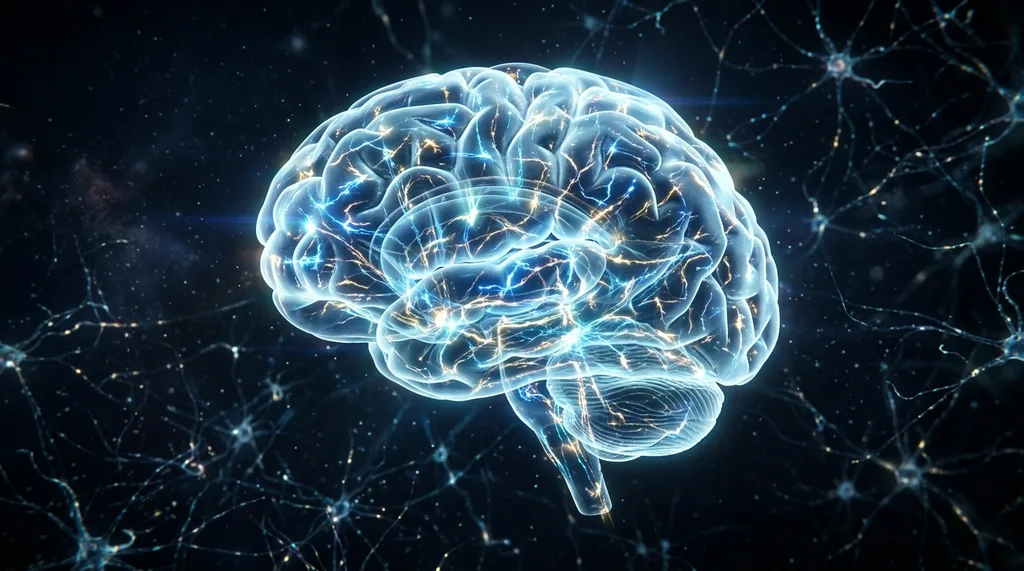
The brain is made up of roughly 100 billion neurons, according to neuroscience research on brain structure. That number exceeds the total count of stars in the Milky Way. These cells form an intricate network that processes information, generates thoughts, and controls every system in your body.
Neurons grow and multiply rapidly through childhood and into early adolescence, then stop dividing. But the connections between them keep forming throughout your entire life. Every new skill you learn, every memory you store, and every habit you build physically reshapes the wiring of your brain. This process, called neuroplasticity, is one of the most important discoveries in modern neuroscience.
The nervous system and survival
Your brain, spinal cord, and a vast network of nerves make up the nervous system. Together, they regulate your heartbeat, breathing, digestion, and every other essential function. The nervous system also processes information from your five senses, allowing you to perceive and respond to the world around you.
Reflexes are a good example of the nervous system at work. Touch a hot surface, and your hand pulls away before you consciously register what happened. Your spinal cord sends the withdrawal command before the pain signal even reaches your brain. This split-second response system evolved specifically to keep you alive.
Beyond reflexes, the nervous system protects you from extreme heat, cold, pain, and harsh light. If you have ever wondered how nature affects mental health, part of the answer lies in how sensory input from natural environments calms the nervous system and reduces cortisol levels.
Higher functions of the mind
The brain does far more than keep you alive. It generates ideas, stores memories, processes emotions, and links feelings to past experiences. It produces hormones like estrogen, testosterone, progesterone, and adrenaline, each tied to specific brain regions and life stages.
Creativity is one of the brain’s most remarkable outputs. The ability to imagine something that does not yet exist and then build it is unique to humans. Every building, song, equation, and piece of software started as a pattern of electrical signals in someone’s brain.
Emotional intelligence is another distinguishing trait. Empathy, compassion, and the ability to read social cues all originate in the brain. These capacities set humans apart from other species and form the foundation of social cooperation. For conditions that affect deeper brain functions, treatments like deep brain stimulation surgery are opening new possibilities.
Three levels of consciousness
The mind operates on three distinct levels: conscious, subconscious, and unconscious. Each plays a different role in how you experience the world.
The conscious mind handles active, deliberate thinking. It is what you use when you solve a math problem, hold a conversation, or plan your day. The subconscious stores habits, learned skills, and background processes. Driving a familiar route without actively thinking about turns is your subconscious at work.
The unconscious mind holds deeply buried memories, repressed experiences, and instinctive drives. Dreams, gut reactions, and unexplained emotional responses often trace back to unconscious processes. According to Mayo Clinic’s overview of brain function, disruptions at any of these levels can affect mental and physical health.
Why managing your thoughts matters
The human brain generates an estimated 6,000 to 70,000 thoughts per day. You cannot control every one of them, and trying to do so is counterproductive. What you can control is which thoughts you engage with and how you respond to them.
Ruminating on painful memories or attaching strong emotions to negative thoughts can lead to anxiety, depression, and other psychological challenges. Cognitive behavioral therapy, mindfulness practices, and regular physical exercise are all evidence-based ways to improve how you process and filter your thoughts. The goal is not to suppress thinking but to build the mental habits that keep your mind working for you rather than against you.
Frequently asked questions
How much of our brain do we actually use?
Nearly all of it. The popular claim that humans only use 10% of their brain is a myth. Brain imaging studies show that almost every region is active, even during sleep or simple tasks.
Are people really left-brained or right-brained?
Not exactly. While certain functions are lateralized (language tends to favor the left hemisphere, spatial processing the right), personality and thinking style are not determined by a single dominant side.
Can the brain feel pain?
No. The brain itself has no nociceptors (pain receptors). This is why some brain surgeries can be performed while the patient remains conscious.
At what age does the human brain fully develop?
Around age 25. The prefrontal cortex, which handles complex planning, decision-making, and impulse control, is the last region to fully mature.
How many thoughts does a person have per day?
Estimates range from 6,000 to 70,000 thoughts per day, depending on the study and how a “thought” is defined.