
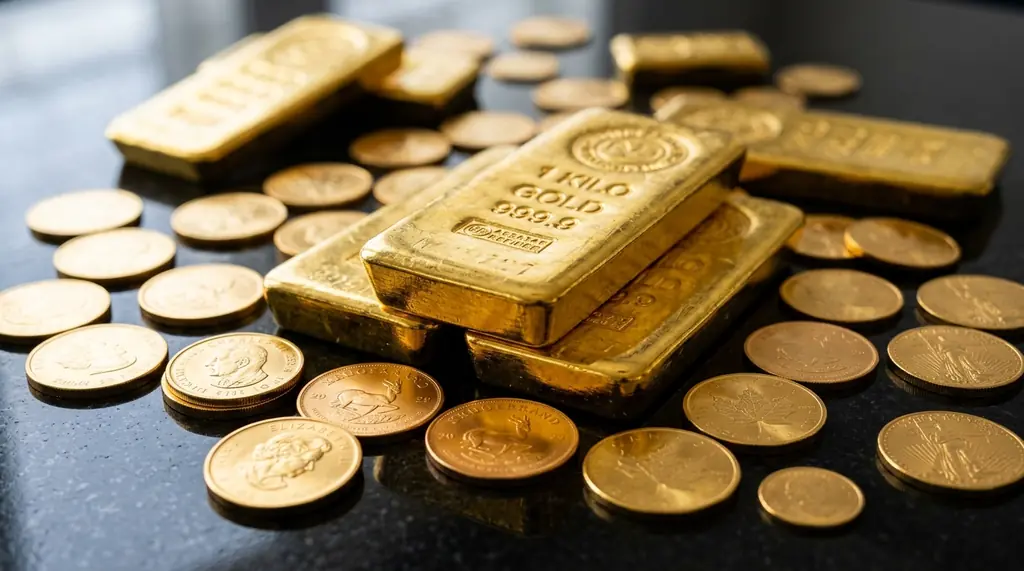
Bullion Companies: Pros, Cons, and What to Look for in a Precious Metals Dealer
Gold has been a store of value for thousands of years, and that’s not going to change any time soon. But the companies that sell it? That’s where things get complicated. The bullion industry has a well-documented problem with misleading marketing, inflated premiums, and outright scams posing as legitimate precious metals dealers — which makes doing your homework before investing more important than in almost any other asset class.
This guide breaks down the genuine advantages and disadvantages of gold and silver bullion as an investment, and what separates a trustworthy dealer from one you should avoid.
Why People Invest in Gold Bullion
Gold bullion — physical gold in bar or coin form — appeals to investors for specific, well-established reasons. The history of gold as an investment reflects three core properties that keep it in portfolios alongside stocks, bonds, and real estate.
Inflation hedge. Gold has historically maintained purchasing power during periods of high inflation. When paper currencies lose value, gold tends to hold or increase in price. This correlation isn’t perfect, but it’s reliable enough that institutional investors consistently allocate a portion of portfolios to gold when inflation risk rises.
Portfolio diversification. Gold tends to have a low or negative correlation with equities — when stock markets drop sharply, gold often holds steady or rises. Adding physical gold or gold-linked assets to a portfolio can reduce overall volatility without significantly reducing long-term returns.
Liquidity. Physical gold is accepted worldwide. You can sell it in virtually any country without currency conversion or transfer complications. Standardized bars and government-minted coins from well-known mints are particularly easy to liquidate.
The Real Disadvantages of Buying Physical Gold
The case for gold is real — but so are the downsides. These aren’t mentioned enough by dealers who profit from selling it.
No passive income. Gold doesn’t pay dividends, interest, or rent. It just sits there. In contrast, equities, bonds, and real estate all generate income. If your investment strategy requires cash flow, physical gold doesn’t provide it. This is the core argument most financial advisors make when recommending limited gold exposure rather than a large allocation.
Storage and insurance costs. Physical gold requires secure storage. Home safes work for small amounts, but anything meaningful should be stored with a professional custodian. Fees typically range from 0.1% to 0.5% of the value per year. Add insurance, and the ongoing cost of simply holding gold is a drag on real returns.
Tax treatment. In the United States, the IRS classifies physical gold as a collectible, which means long-term capital gains are taxed at a maximum rate of 28% — higher than the 15–20% rate that applies to most other long-term investments. This is worth understanding before you buy.
Premium over spot price. You rarely buy gold at the spot price you see quoted. Dealers charge a premium — typically 1–5% for large bars, higher for coins — to cover their costs and profit margin. When you sell, you usually receive a price slightly below spot. The spread between buy and sell prices is a real cost of ownership.
Gold Purity: What the Numbers Mean
Before buying, it’s worth understanding what purity ratings actually mean:
- 999.9 fine (24 karat) — 99.99% pure gold, the standard for most modern gold bullion coins and investment-grade bars
- 999 fine — 99.9% pure, still considered investment-grade and standard for most silver bullion
- 22 karat — 91.7% gold, used for popular coins like the American Gold Eagle and South African Krugerrand
- 14 karat — 58.3% gold, typical of jewelry; not considered bullion
For investment purposes, 999.9 fine gold bars and government-minted coins are the most universally recognized and easiest to resell. The LBMA Good Delivery List is the international standard for accredited gold and silver refiners — bars from listed refiners are the most widely accepted globally.
How to Evaluate a Bullion Dealer
The quality of your experience buying gold depends heavily on the dealer. Here’s what to check:
Industry membership and accreditation
Reputable dealers are typically members of industry associations like the Industry Council for Tangible Assets (ICTA) or affiliated with major mints. Better Business Bureau membership with a strong rating (A or better) is a baseline credibility check. It doesn’t guarantee everything, but it does mean the company has agreed to resolve customer disputes and maintains a public record.
Transparent pricing
A trustworthy dealer shows the spot price and their premium separately, so you know exactly what you’re paying above market. Dealers who quote only a final price without breaking down the premium are harder to compare — and often charging more. Compare premiums across at least three dealers before buying.
Buyback policy
Find out what price the dealer will pay if you want to sell back to them. The spread between what you pay and what you’d receive on a same-day resale is the actual cost of your transaction. Reputable dealers are transparent about their buyback pricing; others obscure it.
Storage and delivery options
Verify shipping fees, insurance, and packaging before completing a purchase. Reputable dealers itemize these costs clearly at checkout. Also check whether home delivery is insured in transit and for how long. If you’re using a custodial storage option, confirm it’s segregated storage (your metal stored separately) rather than pooled.
Customer service quality
Before committing to a significant purchase, test their customer service. Call or email with a specific question and see how they respond. Pressure tactics — urgency, special "today only" pricing, warnings that gold will run out — are red flags. Legitimate dealers let you make decisions at your own pace.
For comparison, our overview of the best online investment platforms covers how gold-linked ETFs and digital gold products compare to physical bullion for investors who want precious metals exposure without storage logistics.
The Authenticity Question
Counterfeit gold is a genuine problem in secondary markets. For investment-grade purchases:
- Buy from established dealers, not private sellers on online marketplaces unless you can verify the product independently
- Look for recognized mint marks — the US Mint, Royal Canadian Mint, Perth Mint, and other government mints produce coins with anti-counterfeiting features
- For bars, certification from a recognized refiner on the World Gold Council network adds a layer of verification
- Third-party grading services (PCGS, NGC) provide authenticated certification for coins, which adds resale value and confidence
If you’re diversifying into other asset classes alongside precious metals, our guide to cryptocurrency security best practices covers how to protect digital assets — a different type of store-of-value investment with its own custodial risks.
Frequently Asked Questions About Bullion Companies
Does the brand of bullion matter when you want to resell?
Yes, brand matters significantly for resale speed and price. Bars from PAMP Suisse, Valcambi, and other LBMA-accredited refiners, and coins from government mints like the US Mint or Royal Canadian Mint, sell faster and often at better prices than lesser-known products. Well-established brands carry built-in trust for buyers who don’t want to independently verify authenticity.
What hidden fees should I watch for with bullion dealers?
Watch for: shipping and insurance fees (should be itemized before checkout), payment method surcharges (credit card payments often carry a 3–4% premium over bank wire pricing), storage fees if using custodial services, and restocking or cancellation fees if you need to back out of an order. Reputable dealers itemize all of these clearly.
How do I know if a bullion company is legitimate?
Check BBB membership and rating, look for transparent pricing that shows spot price plus premium separately, verify they have a clear buyback policy, and search for reviews across multiple independent sources. Avoid companies that use high-pressure sales tactics, guarantee gold prices will rise, or push numismatic (collectible) coins on investors expecting bullion-grade returns.
What does 999.9 fine mean on a gold bar?
999.9 fine means the bar is 99.99% pure gold, with only trace amounts of other metals. This is the investment-grade standard for modern gold bullion bars and coins. Most government-minted coins for investment purposes are either 999.9 fine or 999 fine (99.9% pure). 24 karat is the equivalent karat designation for 99.9%+ pure gold.
Is buying gold a good investment right now?
That depends on your goals and portfolio composition, not current prices. Gold works best as a long-term inflation hedge and diversifier rather than a speculative trade. Most financial advisors suggest keeping gold exposure to 5–10% of a total portfolio rather than treating it as a primary investment. Whether the timing is right is a question for a financial advisor with knowledge of your full situation.