
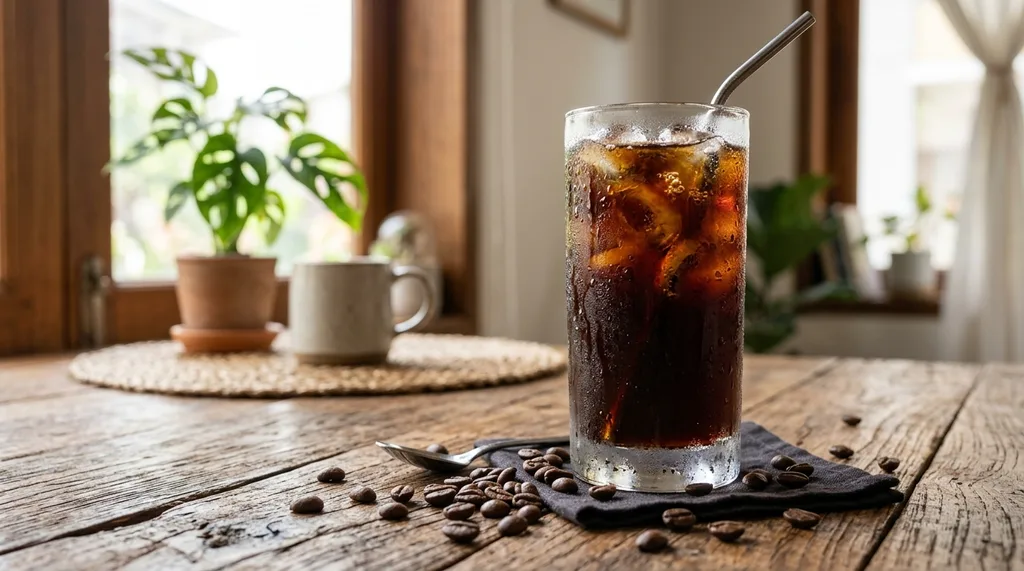
What Should You Look for in Cold Brew Coffee? A Complete Guide
What is cold brew coffee?
Cold brew coffee is made by steeping coarse coffee grounds in cold or room-temperature water for 12 to 24 hours, then straining out the grounds. The result is a smooth, low-acidity concentrate that tastes noticeably different from hot-brewed coffee — less bitter, naturally sweeter, and with a fuller body. It is not the same as iced coffee, which is simply hot-brewed coffee poured over ice.
Cold brewing has grown substantially in popularity over the past decade. According to the National Coffee Association, cold brew consumption in the US has risen sharply since 2015, and the format is now a fixture in coffee shops and supermarkets worldwide. Part of the appeal is practical: you can make a large batch, refrigerate it for up to two weeks, and have ready-to-pour coffee on demand.
What to look for in cold brew coffee
Coffee beans
The beans are the single biggest factor in flavour. For cold brew, medium-dark to dark roasts are the most common choice — they produce the chocolatey, nutty flavour profile that cold brewing amplifies well. Lighter roasts can work too and will highlight fruitier or more floral notes, though the result can feel thinner without heat to draw out body. Whatever roast you choose, coarse grinding is essential: fine grounds will over-extract and turn the brew bitter.
Brewing method
There are two main approaches: immersion and drip. Immersion is the simpler of the two — you steep coffee grounds in cold water for 12 to 24 hours, then filter. Drip cold brew involves slowly pouring cold water through the grounds over several hours. Immersion produces a bolder, richer concentrate; drip tends to be slightly lighter and cleaner. Most commercial cold brews use immersion.
Caffeine content
Cold brew concentrate contains roughly two to three times the caffeine of a standard hot cup of coffee by volume, because the coffee-to-water ratio during brewing is much higher. Once diluted — typically 1:1 with milk or water — the caffeine per serving comes out roughly comparable to a regular drip coffee, or slightly higher. If you’re sensitive to caffeine, check the dilution instructions on any bottled cold brew before drinking it straight.
For context on caffeine alternatives, this comparison of caffeine pills versus regular coffee is a useful read for understanding your options beyond cold brew.
Additives
Cold brew is versatile as a base. Common additions include milk or cream for richness, and vanilla or cinnamon for warmth. The lower acidity means it pairs well with dairy. If you’re buying bottled cold brew, check the label — many commercial versions add sugar or sweetened creamer, which can significantly increase calorie count relative to plain cold brew.
Packaging
For bottled cold brew, airtight packaging matters. Oxygen exposure degrades the flavour quickly, turning a smooth concentrate stale within days. Look for bottles or cans with a proper seal, and once opened, consume within 7 to 10 days. Opaque or dark packaging also helps — light breaks down the compounds that give cold brew its distinct flavour over time.
Types of cold brew coffee
Black cold brew
The simplest version — coffee grounds steeped in cold water, nothing added. It’s the purest expression of the beans and gives the clearest sense of how the cold brewing process changes the flavour profile. Better for people who want to taste the coffee itself, not a sweetened or flavoured variant.
Nitro cold brew
Nitrogen-infused cold brew served on tap, similar in appearance to draught stout beer. The nitrogen gives it a creamy texture and a foamy head without adding dairy or sugar. Nitro cold brew tends to taste slightly sweeter than regular cold brew due to how nitrogen interacts with taste receptors. It’s widely available in coffee shops and increasingly in canned form.
Sweetened and flavoured cold brew
Vanilla, caramel, hazelnut, and cinnamon are common additions. Flavours can be brewed in or added afterward as syrup. If you’re experimenting at home, vanilla and cinnamon are low-commitment starting points — they complement the natural sweetness of cold brew without dominating it.
Cold brew concentrate
Made with a higher coffee-to-water ratio than standard cold brew, concentrate is intended to be diluted before drinking. Most commercial cold brew sold in bottles is actually a concentrate, though not all brands make this obvious on the front label. Check the back for dilution instructions.
Sparkling cold brew
Cold brew concentrate mixed with sparkling water or soda water. The result is a lightly caffeinated, fizzy drink with a coffee base — more refreshing than standard cold brew and less sweet than most canned coffees.
Health considerations
Cold brew contains antioxidants including chlorogenic acids, which research links to anti-inflammatory effects and a lower risk of certain chronic conditions. Its lower acidity makes it a better choice for people with acid reflux or sensitive stomachs, and it produces less stomach acid than hot-brewed coffee. For a broader look at how morning food and drink choices affect energy levels, pairing cold brew with nutrient-rich breakfast snacks is worth considering.
The caffeine caveat is worth repeating: cold brew concentrate is strong. Drinking it undiluted could easily put you at 200 to 400mg of caffeine per serving — the upper limit most health guidelines suggest per day. Dilute accordingly, especially if you’re drinking it in the afternoon.
Frequently asked questions about cold brew coffee
Frequently Asked Questions
Is cold brew the same as iced coffee?
No. Iced coffee is regular hot-brewed coffee poured over ice, which gives it a sharper, more acidic flavour. Cold brew is made by steeping coarse coffee grounds in cold or room-temperature water for 12 to 24 hours, producing a smoother and less acidic concentrate.
Why is cold brew less acidic than regular coffee?
Cold water extracts fewer of the acidic compounds and oils that hot water pulls from coffee grounds. The result is a naturally sweeter, lower-acidity brew that is easier on the stomach and less likely to erode tooth enamel.
Does cold brew coffee have more caffeine?
Cold brew concentrate is high in caffeine — roughly two to three times that of a standard hot cup by volume. However, it is almost always diluted with milk or water before serving, bringing caffeine per serving to a level similar to or slightly higher than a regular coffee.
What coffee beans work best for cold brew?
Use fresh, coarsely ground, high-quality beans. Medium-dark to dark roasts are popular for their chocolatey and nutty flavour. Lighter roasts can highlight fruity or floral notes. Beans roasted specifically for cold brew tend to produce a smoother, less bitter result.
What is the best coffee-to-water ratio for cold brew?
A 1:4 to 1:8 ratio by weight is a standard starting point for a concentrate — 1 cup of coffee grounds to 4 cups of cold water. Dilute this 1:1 with milk, water, or ice before serving.