
Restless Sleep: Causes, Solutions, and How to Actually Fix It
Lying awake at 2am, staring at the ceiling for the third time this week, is not a character flaw. Between 10 and 30 percent of American adults deal with restless sleep at some point in their lives, according to data reviewed by the CDC’s sleep health resources. The problem is common, but it’s also genuinely solvable for most people — once you understand what’s actually causing it.
What is restless sleep?
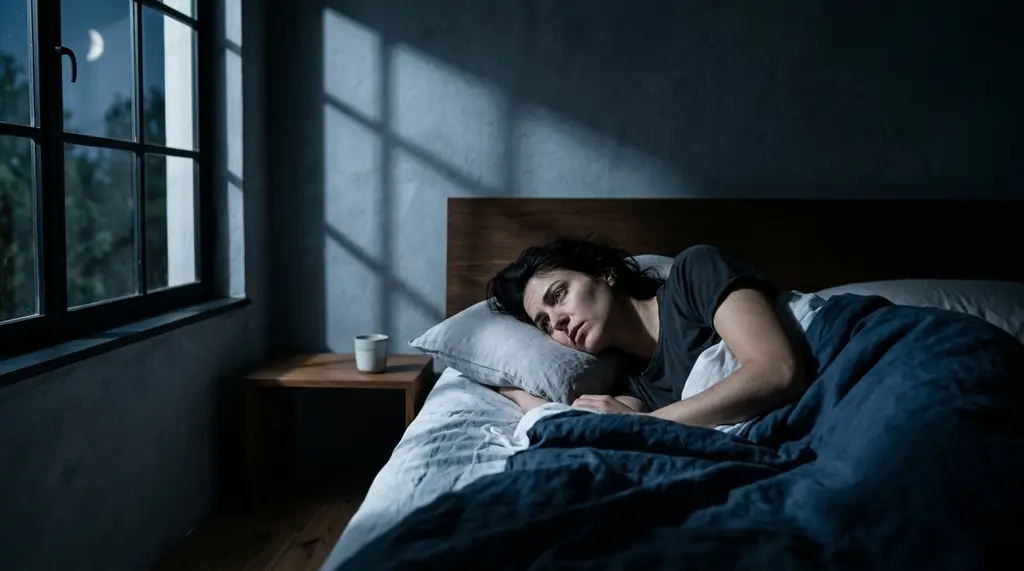
Restless sleep is a broad term for sleep that feels disrupted, unrefreshing, or non-restorative. It covers everything from tossing and turning for extended periods to waking up multiple times during the night, sleeping lightly without reaching deeper sleep stages, or simply not feeling rested after a full night in bed. Unlike insomnia — which is a clinically defined disorder characterized by persistent difficulty falling or staying asleep — restless sleep is more of a symptom. It can be an early sign of a sleep disorder, or it can be entirely situational, driven by lifestyle factors that are relatively easy to address.
Common causes of restless sleep
Understanding why your sleep is restless is the first step toward fixing it. The causes are not always obvious, and several can overlap.
Stress and anxiety
This is probably the most common cause. When your nervous system is in a heightened state — because of work pressure, relationship problems, financial stress, or general anxiety — it does not simply switch off when you lie down. Your mind keeps processing, your cortisol levels stay elevated, and the physical relaxation needed for deep sleep becomes difficult to reach. Even if you fall asleep, anxious thought patterns can cause early morning waking, particularly around 3–4am when cortisol naturally starts rising again.
Caffeine timing and quantity
Caffeine has a half-life of roughly five to six hours in most adults, meaning a 3pm coffee still has about half its stimulant effect in your system at 8 or 9pm. For caffeine-sensitive individuals, that is enough to delay sleep onset and lighten the sleep you do get. If you are regularly consuming coffee, tea, energy drinks, or even dark chocolate in the afternoon or evening and wondering why your sleep is poor, this is a straightforward place to start.
Irregular sleep schedule
Your body runs on a circadian rhythm — an internal 24-hour clock that regulates when you feel tired, when you feel alert, and when certain hormones are released. Inconsistent bed and wake times disrupt this clock, making it harder for your body to enter sleep efficiently and stay in it. Shift workers experience this acutely, but even weekend schedule drift (staying up two hours later on Fridays and Saturdays) can cause what researchers call “social jet lag” that impairs weekday sleep quality.
Diet and eating timing
Eating large, heavy meals close to bedtime makes deep sleep harder to reach. Your digestive system stays active for hours after eating, and lying horizontal can worsen acid reflux for those prone to it. On the other end, going to bed hungry can also disrupt sleep — blood sugar drops overnight can trigger waking. Alcohol is a particularly deceptive one: it may help you fall asleep faster, but it suppresses REM sleep in the first half of the night and causes lighter, more fragmented sleep as it metabolizes.
Screen exposure and blue light
The blue-spectrum light emitted by phones, tablets, and computers suppresses melatonin production — the hormone that signals to your brain that it is time to sleep. Using screens in the hour or two before bed effectively delays the onset of melatonin, pushing your natural sleep window later than your intended bedtime. The content also matters: checking emails, social media, or news keeps your brain engaged and alert at exactly the time you are trying to wind down.
Underlying sleep disorders
In some cases, restless sleep points to an underlying condition. Sleep apnea causes repeated brief interruptions to breathing during the night, leaving you in lighter sleep stages without ever reaching the deeper, restorative stages. Restless legs syndrome (RLS) creates uncomfortable sensations in the legs that worsen at rest, making it hard to fall or stay asleep. If your sleep disruption is persistent, unexplained by obvious lifestyle factors, or accompanied by symptoms like snoring, gasping, or an uncontrollable urge to move your legs, seeing a doctor is worth prioritizing.
How to fix restless sleep: what actually works
Not every sleep tip you’ll encounter online makes a meaningful difference. These are the changes with the strongest evidence behind them.
Consistent sleep and wake times
Going to bed and waking up at the same time every day — including weekends — is one of the most consistently effective sleep interventions. It reinforces your circadian rhythm and makes both falling asleep and waking up feel more natural over time. The Mayo Clinic identifies a regular sleep schedule as one of the primary behavioural treatments for sleep disorders, ahead of most supplements and sleep aids.
Setting a pre-sleep wind-down routine
Your nervous system needs a transition period between the stimulation of the day and the calm needed for sleep. A 30–60 minute routine before bed — consistent enough that your brain starts associating it with sleep — helps trigger this transition. This might include dimming lights, reducing screen time, light reading, stretching, or breathing exercises. The specific activities matter less than the consistency and the reduction of stimulating inputs.
Managing your sleep environment
The physical conditions in your bedroom have a measurable impact on sleep quality. Research consistently points to three variables: temperature, light, and noise. Most people sleep best in a cooler room — somewhere between 15 and 19°C (60–67°F). Darkness signals melatonin production; even low ambient light from screens or streetlights can interfere. Noise that is intermittent (like traffic or a partner’s snoring) is more disruptive than consistent noise. If you cannot eliminate noise sources, white noise or a fan can help by masking unpredictable sounds.
Relaxation techniques for anxious sleepers
If racing thoughts are your primary problem, cognitive and body-based relaxation techniques can help. Diaphragmatic breathing (slow, deep breaths from the abdomen rather than shallow chest breathing) activates the parasympathetic nervous system, counteracting the alertness response driven by anxiety. Progressive muscle relaxation — tensing and then releasing muscle groups systematically from feet to head — is another approach with solid evidence. Guided meditation apps have also shown measurable effects on sleep in people with anxiety-driven insomnia.
Natural sleep supplements
If lifestyle changes alone aren’t resolving the problem, some natural options are worth exploring before moving to pharmaceutical sleep aids. Magnesium, valerian root, and chamomile have the most consistent research support among natural sleep supplements. See our in-depth guide to the best herbs for sleep for a breakdown of what the evidence actually shows for each option.
When restless sleep requires medical attention
Lifestyle adjustments resolve restless sleep for most people within a few weeks of consistent effort. However, if your sleep disruption has been present for more than a month despite making changes, if you are excessively sleepy during the day, if your partner reports loud snoring or gasping, or if you experience uncomfortable leg sensations at night, those are signals to speak with a doctor. Sleep apnea in particular is significantly underdiagnosed — it is often dismissed as simple snoring — but left untreated, it increases cardiovascular risk and significantly impairs daytime cognitive function.
A sleep diary can be useful before a medical appointment: tracking your bedtime, wake time, how long it took to fall asleep, the number of awakenings, how you felt in the morning, and any notable factors (alcohol, stress, exercise) gives a doctor far more to work with than a vague description of sleeping badly. According to the Sleep Foundation, tracking these patterns over one to two weeks is typically enough to identify meaningful trends.
Frequently Asked Questions About Restless Sleep
What is the difference between restless sleep and insomnia?
Restless sleep is a general term for sleep that is disrupted, light, or non-restorative — it can happen occasionally and from many causes. Insomnia is a clinically defined condition involving persistent difficulty falling or staying asleep that occurs at least three nights per week for three months or more, even when you have adequate time and opportunity to sleep. Not all restless sleep is insomnia, but chronic restless sleep that meets those criteria likely is.
Why do I keep waking up at 3am?
Waking at 3–4am is common and usually linked to a combination of factors: cortisol naturally starts rising before dawn, alcohol consumed earlier in the evening begins metabolizing and disrupting sleep architecture, blood sugar levels can dip overnight, or anxiety that subsided at bedtime resurfaces. Stress is the most frequent cause — if there is something specific you are worrying about, your brain tends to return to it during the lighter sleep stages of early morning.
Can anxiety cause restless sleep?
Yes, directly. Anxiety keeps the nervous system in a state of alert, preventing the physical and mental relaxation that deep sleep requires. It commonly causes difficulty falling asleep, frequent waking, early morning waking, and very light or fragmented sleep. Managing the anxiety — through therapy, exercise, relaxation techniques, or medical support if needed — typically improves sleep as a downstream effect.
What vitamin deficiency causes restless legs at night?
Iron deficiency is the most well-established nutritional link to restless legs syndrome (RLS). Low ferritin (stored iron) in particular is associated with RLS symptoms. Deficiencies in magnesium, vitamin D, and vitamin B12 may also contribute. If you suspect RLS, a blood panel covering these levels is a reasonable starting point, though a formal diagnosis and management plan should come from a doctor.
How do I stop tossing and turning at night?
The most effective approaches combine several changes at once: keep a consistent sleep schedule, limit caffeine after midday, reduce screen exposure in the hour before bed, keep your bedroom cool and dark, and introduce a wind-down routine that signals to your nervous system that sleep is approaching. If stress is a factor, a brief journaling session before bed — writing down worries and a plan to address them — can help offload the mental load that otherwise surfaces at night.