9 Ways to Make Your Wardrobe More Sustainable
Why building a sustainable wardrobe matters
The fashion industry is one of the most resource-intensive sectors on the planet. According to the U.S. Environmental Protection Agency (EPA), Americans generated about 17 million tons of textile waste in a single recent year, with only about 15% recovered for reuse or recycling. Fast fashion accelerates this cycle, encouraging overproduction and disposability.
Building a sustainable wardrobe is not about buying less of everything — it is about buying better, caring for what you have, and making choices that do not rely on exploitative labor or environmentally damaging production. Here are nine practical ways to start.
1. Invest in high-quality pieces that last
The most sustainable garment is the one you already own — and the second most sustainable is one that lasts for years rather than months. Higher-quality clothing uses better construction and materials, which means it holds its shape, color, and structural integrity through repeated wearing and washing. The upfront cost is higher, but cost-per-wear over time almost always favors quality over cheap alternatives that need replacing frequently.
2. Buy for all seasons, not just one
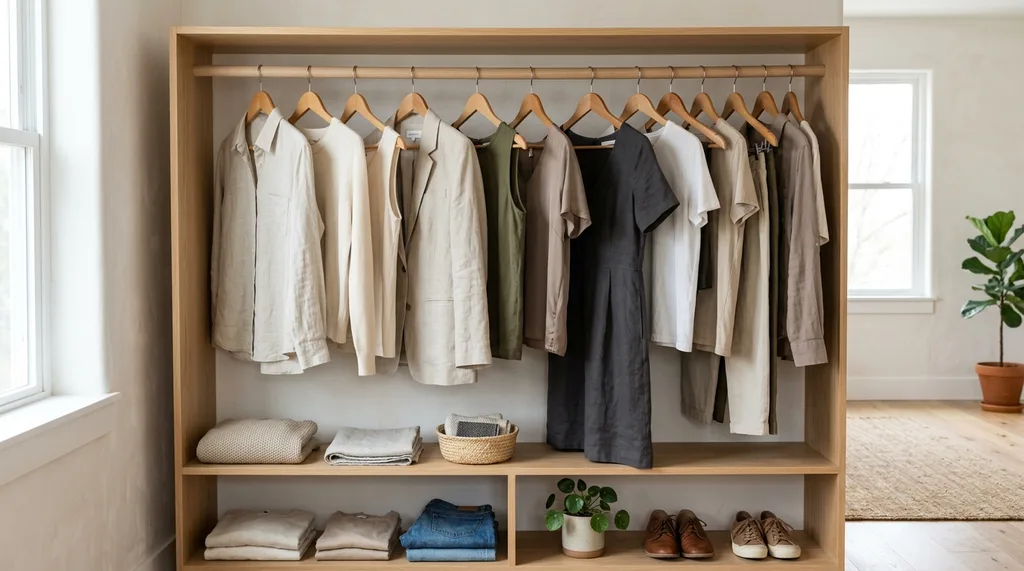
Seasonal collections and trend cycles are designed to create urgency and obsolescence. A more sustainable approach is building around pieces that work across weather conditions and social contexts — neutral basics, versatile layering, and items that do not look obviously dated after one season. This reduces the total volume of clothing you need to maintain and prevents items from sitting unworn for most of the year.
3. Learn basic clothing repair
Mending clothes is one of the most direct ways to extend garment lifespan and reduce waste. Learning to sew a button, patch a small hole, or reinforce a seam takes a few hours of practice. Dozens of free tutorials are available online covering everything from basic stitching to more advanced fabric repair. If a garment is structurally sound but damaged, repair is almost always a better environmental choice than disposal.
4. Choose certified sustainable brands when buying new
When you do buy new, look for brands that are transparent about their supply chains and hold verifiable certifications — GOTS (Global Organic Textile Standard) for organic fiber, Fair Trade certification for labor practices, or Bluesign for responsible chemical and resource use. Good On You is a well-established platform that rates brands on their environmental, labor, and animal welfare practices, making it easy to compare options before purchasing.
5. Shop secondhand and vintage first
Pre-owned clothing is the most resource-efficient way to add something new to your wardrobe — it requires no new production, no raw materials, and no additional manufacturing energy. Platforms like Depop, ThredUp, and Poshmark have made secondhand shopping as convenient as buying new, and physical thrift and consignment stores often carry high-quality items at a fraction of the original price. For vintage pieces specifically, you often get construction quality that current fast fashion cannot match.
6. Think before you buy
Impulse purchases are the primary driver of wardrobe bloat and textile waste. Before buying any item, ask three questions: Does it work with at least three things you already own? Would you wear it in a week’s time? Does it fill a genuine gap, or does it duplicate something you already have? If the answers are no, not sure, and duplicate, the purchase is probably not worth making. Building this habit takes time but significantly reduces regret purchases and unnecessary spending.
7. Wash clothes correctly and less often
Overwashing shortens garment lifespan and increases energy and water use. Most clothing — particularly denim, knitwear, and outerwear — does not need to be washed after every wear. Washing at lower temperatures (30 degrees Celsius or below) preserves fiber integrity and uses significantly less energy. Following care labels and using mesh laundry bags for delicate items reduces damage and extends how long clothes remain wearable.
8. Use eco-friendly laundry products
Conventional laundry detergents often contain phosphates, synthetic fragrances, and optical brighteners that accumulate in waterways. Plant-based and concentrated detergent alternatives clean effectively with lower environmental impact. Using baking soda as a laundry booster in place of half the recommended detergent dose is a simple, inexpensive way to reduce chemical load without compromising cleaning performance.
9. Read labels and question sustainability claims
Terms like “natural,” “eco-friendly,” and “conscious collection” are largely unregulated in the fashion industry. They can mean almost anything or nothing. When evaluating sustainability claims, check the care label for fiber content — genuinely sustainable materials include certified organic cotton, recycled polyester with certification, and Tencel or lyocell from sustainably managed wood sources. If a brand cannot provide specifics about where and how a garment was made, treat broad sustainability claims with skepticism.
If you are building a wardrobe with sustainability in mind, our guide on capsule wardrobe basics covers how to structure a smaller, more versatile collection. For the fashion-forward approach to sustainable style, our post on building a cohesive everyday look shows how small styling decisions can make fewer pieces feel like more.
Frequently asked questions about sustainable wardrobes
What percentage of water pollution comes from the fashion industry?
Environmental reports estimate the textile and fashion industry is responsible for approximately 20% of global industrial water pollution, primarily from dyeing and fabric treatment processes that discharge untreated wastewater into rivers and lakes.
Is thrift shopping really more sustainable than buying new?
Yes. Purchasing second-hand clothing avoids the energy, water, and raw materials required to produce new garments. It is widely considered one of the most environmentally effective ways to build or refresh a wardrobe.
How do I know if a fashion brand is genuinely sustainable?
Look for transparency about supply chain practices, verifiable certifications like GOTS or Fair Trade, and specific information about materials and manufacturing conditions. Platforms like Good On You rate brands across environmental, labor, and animal welfare criteria.
What is fast fashion and why is it a problem?
Fast fashion refers to high-volume, low-cost clothing produced rapidly to match trend cycles. It contributes to overconsumption, massive textile waste, and significant carbon and water use. Most fast fashion garments are worn only a handful of times before disposal.
Can washing clothes more carefully actually extend their lifespan?
Yes. Washing at lower temperatures, avoiding overdrying, and following care labels significantly extends garment lifespan. Cold-water washing also reduces energy use by up to 90% compared to hot-water cycles.