
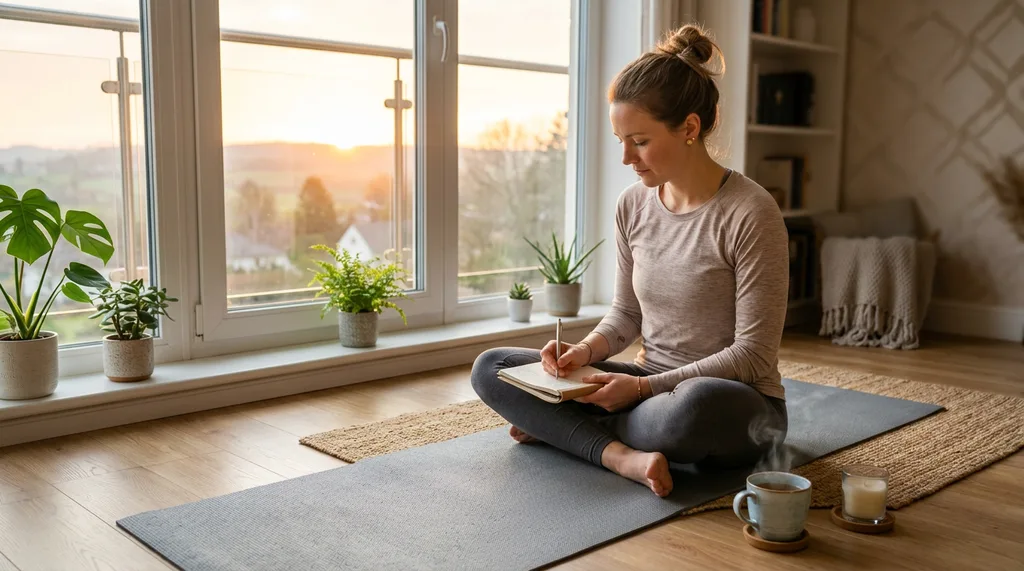
How to Create a Wellness Routine That Actually Sticks
What a wellness routine actually is (and is not)
A wellness routine is not a rigid self-improvement program. It is a set of intentional habits that support your physical and mental health over time. What it looks like varies enormously from person to person. Some people build it around morning workouts and meditation. Others around evening walks, journaling, and consistent sleep. The specific activities matter less than the consistency and the fact that they work for your actual life.
Here is how to create one that sticks.
Start by protecting time in your schedule
The first obstacle is not motivation, it is time. If you do not carve out a specific slot for your wellness practices, other things will fill it. Many people find mornings work best because the house is quieter, distractions are fewer, and decision fatigue has not set in yet. Even 30 minutes before the rest of your day starts can be enough.
You do not need an elaborate morning routine. Pick one or two things you will actually do and protect that time. You can add more later once the habit is established.
Build around what you actually enjoy
A wellness routine you hate will not last. The goal is not to optimize for what looks healthiest on paper. It is to find activities that feel worth doing. Running is excellent for you, but if you genuinely dislike it, yoga, swimming, cycling, or hiking will serve you better because you will do them. The same applies to mental wellness practices. Meditation is not for everyone, but a walk in nature, reading, or spending time with people you care about can be equally restorative. According to research published in the National Institutes of Health, consistent engagement with enjoyable activities is a stronger predictor of long-term habit maintenance than initial motivation.
Consider adding targeted vitamins and supplements
Supplements are not a substitute for a good diet, but they can fill real gaps. Vitamin D is one of the most commonly deficient nutrients, particularly for people who spend most of their time indoors. Low vitamin D is linked to weakened immune function, mood disruption, and fatigue. Zinc is another worthwhile option for immune support. Before starting any supplement, it makes sense to talk to your doctor, especially if you are managing a health condition or taking medications.
Make changes smaller than you think you need to
Most wellness routines fail in the first month because the initial commitment is too ambitious. Starting with 15-minute daily walks is more sustainable than committing to six days a week at the gym. Cutting one processed food from your diet is more achievable than overhauling everything at once. Small changes compound over time. Research on habit formation suggests it takes around 66 days on average for a behavior to feel automatic, not the commonly cited 21 days.
If you are not enjoying an activity after a few honest weeks, swap it. This is not failure. It is useful data. You can also explore resources like how nature affects mental health for ideas on low-effort practices with real benefits.
Sample wellness routine elements to consider
- Morning: 10 minutes of stretching or light yoga, a glass of water before coffee
- Midday: a 15-minute walk outdoors, away from your desk
- Evening: a consistent bedtime, 30 minutes of screen-free wind-down
- Weekly: one longer workout or outdoor activity, one social engagement you genuinely enjoy
- Ongoing: vitamins with breakfast, regular health checkups
None of these are mandatory. They are starting points. Adjust based on your schedule, preferences, and what actually moves the needle for you.
FAQs about creating a wellness routine
How long does it take to build a wellness routine?
Research suggests habit formation takes around 66 days on average, though it varies by person and the complexity of the habit. The first two weeks are typically the hardest. Starting small makes it significantly more likely that the routine will survive past the first month.
What should a basic wellness routine include?
At minimum: consistent sleep schedule, some form of daily movement (even 15 minutes of walking counts), and one practice that supports mental health, whether that is meditation, time outdoors, social connection, or a creative hobby. Nutrition, hydration, and regular health checkups round it out over time.
Do I need supplements as part of my wellness routine?
Not necessarily, but many people benefit from targeted supplements for specific deficiencies. Vitamin D and magnesium are among the most commonly low nutrients in adults who eat a standard Western diet. Consult a doctor before starting supplements, especially if you have existing health conditions.
What if I fall off my routine?
Missing a day or a week does not erase your progress. The habit is not lost. The key is to return without self-criticism. One missed day has almost no impact on long-term habit strength. What matters is the overall pattern over months, not any individual day.
How is a wellness routine different from a fitness routine?
A fitness routine focuses specifically on physical exercise and performance. A wellness routine is broader. It includes physical activity but also mental health, sleep, nutrition, stress management, and social connection. The goal is overall quality of life, not just physical metrics.



Pingback: How to Use a Vape Pen: A Beginner's Guide
Pingback: Alto by San Carlo at Selfridges: London Rooftop Dining Guide