
8 Ways to Look Younger and Feel Great
Most people who look noticeably younger than their age aren’t doing anything radical. No dramatic procedures, no extreme diets. What they usually share are a handful of small habits practiced consistently over time — good sun protection, decent sleep, some movement, and a skincare routine that doesn’t cost a fortune. Here’s what actually works, backed by research and practical enough to stick with.
1. Switch to a Diet That Works With Your Skin, Not Against It
Your skin reflects what you eat more directly than most people expect. Processed foods, refined sugar, and excessive red meat accelerate inflammation — and inflammation shows up on your face as dullness, puffiness, and premature lines. The fix isn’t a crash diet. It’s a steady shift toward more vegetables, fatty fish like salmon, and whole foods that your body actually knows what to do with.
According to the American Academy of Dermatology, antioxidant-rich foods — leafy greens, berries, nuts — help protect skin cells from oxidative damage that speeds up the visible aging process. Swapping sugary snacks for fruit and cutting back on alcohol makes a difference that shows within weeks, not years.
2. Exercise Regularly for a Toned, Energized Body
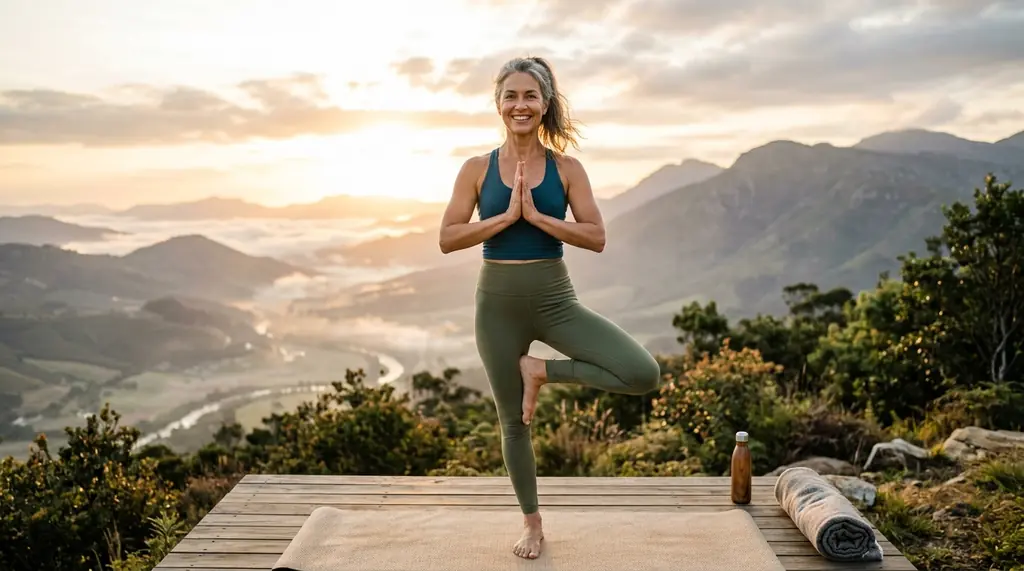
Exercise doesn’t just change your body composition — it changes how you carry yourself. People who stay active tend to have better posture, more energy, and that hard-to-fake quality of looking alert and engaged. Aim for 30 minutes of movement most days. It doesn’t have to be the gym. Walking, swimming, cycling, or yoga all count.
For those looking to combine exercise with recovery, our guide on building a wellness routine that sticks covers how to structure your week so healthy habits actually last.
Strength training is worth adding as you get into your 40s and beyond. Muscle mass declines with age, and maintaining it keeps metabolism up and gives your body a firmer, more youthful shape. Two to three sessions a week is enough to see real results.
3. Build a Skincare Routine That Actually Protects Your Skin
Sunscreen is the single most evidence-backed anti-aging product available. A landmark study published in Annals of Internal Medicine found that people who used sunscreen daily showed 24% less skin aging over 4.5 years compared to those who used it only occasionally. Broad-spectrum SPF 30 or higher, applied every morning, is the foundation everything else builds on.
Beyond SPF, a good moisturizer and a vitamin C serum cover most of what your skin needs during the day. At night, retinol is the gold standard. It stimulates collagen production and speeds up cell turnover. If your skin is new to retinol, start with a low concentration two nights per week and build up slowly — it’s effective, but it can cause irritation if you jump in too fast.
The Mayo Clinic recommends keeping skin care simple and consistent: cleanse gently, moisturize, apply SPF, and add targeted treatments like retinoids when needed. Complicated 10-step routines are rarely necessary.
4. Manage Stress Before It Manages Your Face
Stress ages you. That’s not a figure of speech — it’s physiology. Chronic stress raises cortisol levels, which breaks down collagen and elastin, the proteins that keep skin firm and elastic. The physical effects show up in your posture, your complexion, the tension you carry around your eyes and jaw, and how well you sleep.
You don’t need a complicated mindfulness practice to get results. Regular massages, a consistent sleep schedule, spending time outdoors, and having hobbies that genuinely absorb your attention all reduce cortisol over time. The key is regularity — stress management works the same way skincare does. Consistent and boring beats occasional and dramatic.
5. Take Care of Your Teeth
A confident, bright smile takes years off your appearance in a way that’s hard to replicate with any other fix. Basic oral hygiene — brushing twice a day, flossing daily, changing your toothbrush every month — prevents the staining and gum recession that make teeth look aged. Regular dental checkups every six months catch problems early before they become visible.
For discoloration or uneven teeth, professional whitening treatments and porcelain veneers are both safe, well-established options. Neither requires surgery, and both deliver results that make a surprisingly big difference in how young and healthy you look.
6. Use Makeup to Brighten, Not to Overload
The most common makeup mistake as skin matures is using too much product. Heavy foundations settle into fine lines and make them more visible, not less. A lightweight, dewy foundation gives skin a natural luminosity that reads as youth. Concealer applied sparingly under the eyes — blended well, not caked — reduces the hollowness that makes people look tired.
Learning a few techniques for the eye area pays off quickly. A simple lifted liner or well-defined brow gives the face more structure without looking done-up. The goal is looking rested and vibrant, not heavily made up.
7. Consider Non-Surgical Cosmetic Options
If you’re open to it, there are now non-surgical options that deliver noticeable results with minimal recovery time. Dermal fillers can restore volume to areas that have thinned with age — around the cheeks, lips, and under the eyes. IPL laser treatments reduce sunspots and uneven skin tone. Botox smooths forehead lines and crow’s feet for several months at a time.
None of these are necessary, and none are permanent — which is part of what makes them accessible to try. A consultation with a board-certified dermatologist is the right starting point if you’re curious. They’ll tell you which options are appropriate for what you’re looking to address.
8. Update Your Hairstyle
Hair has a bigger impact on perceived age than most people give it credit for. A fresh cut that works with your face shape and hair texture can make you look years younger without any products or procedures. A few subtle highlights or lowlights add dimension and depth that flat, single-tone hair lacks — especially as natural color fades.
For those also thinking about hair health, our guide on tips for healthier hair covers how to maintain thickness and shine as your hair changes with age.
It’s worth scheduling a consultation with your hairdresser specifically around what would suit your current face shape and lifestyle. A good cut done well is genuinely one of the most effective tools in this whole list.
The Bottom Line
None of these eight tips are secret. What makes the difference is actually doing them consistently. Sun protection every morning, a few more vegetables than yesterday, some exercise most days, decent sleep — these aren’t exciting, but they’re what separates people who age well from people who don’t. Pick the ones you’re not already doing and start there.
Frequently Asked Questions About Looking Younger
When should I start using anti-aging skincare products?
Dermatologists typically recommend starting a preventative routine in your mid-20s to early 30s, when collagen production begins to slow. Sunscreen and a good moisturizer are the starting point. Retinol and more targeted treatments can be added in your 30s as early signs of aging begin to appear.
Does sunscreen really prevent wrinkles?
Yes, and the evidence is strong. Research published in Annals of Internal Medicine found that daily sunscreen use reduced measurable skin aging by 24% over 4.5 years. Over 90% of visible skin aging is caused by UV exposure, making broad-spectrum SPF the most cost-effective anti-aging product available.
Can you look significantly younger without surgery?
Yes. Consistent skincare with retinol and SPF, regular exercise, good nutrition, and quality sleep produce real, visible improvements over time. Non-surgical options like dermal fillers, IPL, and Botox can extend those results further without the recovery time or cost of surgical procedures.
Which foods support younger-looking skin?
Foods high in antioxidants help fight oxidative stress that accelerates aging: leafy greens, berries, almonds, and walnuts are particularly effective. Fatty fish like salmon and mackerel provide omega-3s that maintain skin elasticity. Avocados are a good source of healthy fats that keep skin supple and hydrated.
Does stress make you look older?
Yes, measurably so. Chronic stress elevates cortisol, which breaks down collagen and elastin — the proteins responsible for skin firmness. This leads to increased wrinkling, sagging, and a dull complexion. Managing stress through regular exercise, adequate sleep, and activities you enjoy has a direct positive effect on how your skin looks over time.