
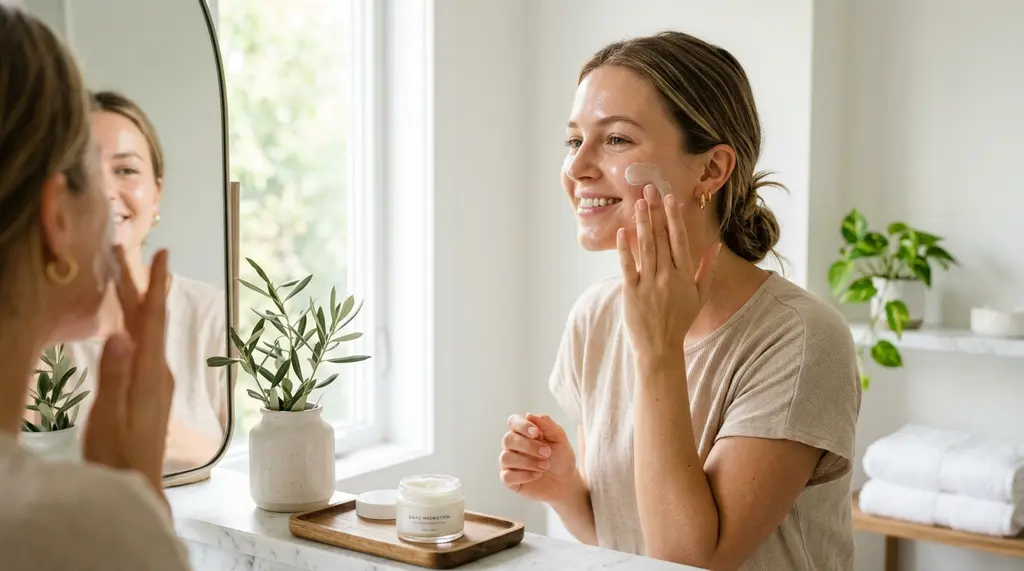
How to Get Glowing Skin: 5 Steps That Actually Work
Glowing skin is less about having good genes and more about consistent habits applied to the right areas. Dermatologists and skin care researchers largely agree on a handful of practices — exfoliation, hydration, sun protection, and targeted nutrition — that produce visible results across most skin types. Here are five evidence-backed steps that contribute to a healthier, more radiant complexion, along with the reasoning behind each one.
Exfoliate regularly — but not excessively
Dead skin cells accumulate on the surface and create a dull, uneven texture that no amount of moisturizer will fix. Regular exfoliation removes that buildup and allows products applied afterward to penetrate more effectively. For most skin types, exfoliating once or twice a week is appropriate. More frequent exfoliation — particularly with physical scrubs — can damage the skin barrier and cause irritation, redness, and increased sensitivity.
There are two main types of exfoliants: physical (scrubs, brushes) and chemical (AHAs like glycolic and lactic acid, BHAs like salicylic acid). Chemical exfoliants tend to produce more even results and are less likely to cause micro-tears than abrasive physical scrubs, particularly for sensitive skin. If you are using a vitamin C serum or retinol, avoid exfoliating on the same day to minimize irritation.
Build a moisturizing routine that includes SPF
Skin that is consistently hydrated maintains its elasticity, recovers from environmental stress more effectively, and reflects light better — which is the practical mechanism behind the “glow” people describe in well-moisturized skin. Look for moisturizers containing hyaluronic acid, ceramides, or glycerin, which draw and lock in moisture at the skin’s surface rather than simply sitting on top of it.
Sun protection is the single most evidence-backed step for preventing premature skin aging and maintaining an even skin tone. UV exposure breaks down collagen and elastin, causes hyperpigmentation, and accelerates the dulling of skin over time. Broad-spectrum SPF 30 or higher, applied every morning and reapplied during extended outdoor exposure, addresses the underlying driver of most visible skin aging. This applies indoors too — UVA rays penetrate glass and continue causing cumulative damage during a typical work-from-home day.
Don’t neglect the neck and hands. These areas receive as much sun exposure as the face and tend to show aging earlier precisely because they are often skipped in moisturizing and SPF routines. Our overview of skincare tips for younger-looking skin covers the broader routine context in detail.
Use the right foundation for your skin type
The wrong foundation formulation can actively work against a glowing complexion. Heavy full-coverage formulas applied over oily or dehydrated skin tend to look cakey and settle into fine lines. Matching your foundation to your skin’s needs produces a more natural finish with less product.
- Oily skin benefits from oil-free, matte-finish foundations that control shine without adding additional oils. Look for formulas with silica or niacinamide.
- Dry skin looks better in dewy or satin-finish foundations with hydrating ingredients — avoid powdery formulas that emphasize dry patches.
- Combination skin typically does best with a lightweight, buildable coverage that can be set with powder only in the T-zone.
In general, lighter coverage applied well looks more natural than heavy coverage applied poorly. If your skincare routine is consistent, your skin’s texture improves to the point where less foundation is needed to achieve the finish you want.
Add a highlighter strategically
Highlighter mimics the way light naturally catches elevated facial features — cheekbones, the bridge of the nose, the inner corners of the eyes, the brow bone, and the cupid’s bow. Applied correctly, it creates the impression of three-dimensional luminosity rather than a flat, powdered finish.
The key to natural-looking highlighting is restraint and placement. A small amount on the highest points of the face — where light would naturally catch — is more effective than heavy application across broader areas. Powder highlighters work well over a matte base; liquid and cream highlighters can be mixed into foundation or applied before powder products for a lit-from-within effect. Drugstore options perform comparably to prestige products in many independent reviews, so price is not a reliable indicator of quality here.
For ingredient-focused approaches to achieving a brighter complexion, see our guide on top natural skincare ingredients and what the evidence shows for each.
Support skin health from the inside
Topical products address the skin’s surface; diet and sleep affect the underlying biological processes that determine how skin looks and recovers. Specific nutrients have demonstrated roles in skin health:
- Vitamin C is required for collagen synthesis and acts as an antioxidant against UV-induced oxidative stress. Sources include citrus, bell peppers, and strawberries.
- Omega-3 fatty acids (from oily fish, flaxseed, and walnuts) support the skin’s lipid barrier and reduce inflammatory skin conditions.
- Zinc plays a role in wound healing and sebum regulation, and deficiency has been linked to acne and delayed skin repair.
- Water intake supports overall hydration, though the direct relationship between drinking water and skin appearance is more modest than commonly assumed — topical moisturizers are more efficient at maintaining surface hydration specifically.
Sleep is when the skin performs most of its cellular repair. Chronic sleep deprivation impairs this process, increases cortisol levels (which drives inflammation and oil production), and visibly affects skin tone and under-eye appearance. Consistent sleep duration — 7 to 9 hours for most adults — is one of the higher-leverage, no-cost steps available for skin health. Our broader guide on skin types and skincare basics covers how to tailor each of these steps to your specific skin type.
Frequently asked questions about glowing skin
Which skincare ingredients are best for a radiant complexion?
The most evidence-backed ingredients for skin radiance are vitamin C (brightening and antioxidant), niacinamide (pore minimizing, oil balance, and skin tone evening), hyaluronic acid (hydration and plumping), and AHAs like glycolic acid (exfoliation and surface renewal). Retinol also improves skin texture and tone over time but requires a gradual introduction to avoid irritation.
How often should you exfoliate for glowing skin?
Once or twice a week is appropriate for most skin types. Sensitive skin may do better with once per week or a very mild chemical exfoliant like lactic acid. Over-exfoliating damages the skin barrier, causes redness and irritation, and produces the opposite of the radiant effect you are aiming for.
Is sunscreen really necessary for glowing skin?
Yes. UV exposure is the primary driver of uneven skin tone, hyperpigmentation, dullness, and collagen breakdown — all of which undermine a radiant complexion. Sunscreen is the single most evidence-supported step for maintaining skin appearance over time, and its effects compound over years of consistent use. UVA rays also penetrate windows, so indoor application matters.
Does drinking water improve skin glow?
Hydration supports overall skin health, but the direct effect of water consumption on visible skin glow is more limited than widely claimed. The skin’s surface hydration is more directly affected by topical moisturizers containing humectants like hyaluronic acid and glycerin. That said, adequate hydration helps the body clear toxins and maintains general cellular function that indirectly benefits skin health.
How long does it take to see results from a skincare routine?
Improved hydration is often noticeable within days of consistent moisturizer use. Exfoliation improvements in texture are typically visible within 2-3 weeks. More significant changes — evening of skin tone, reduction in fine lines, brightening from vitamin C — develop over 6-12 weeks of consistent use. Sunscreen’s benefits are cumulative over months and years rather than immediately visible.