
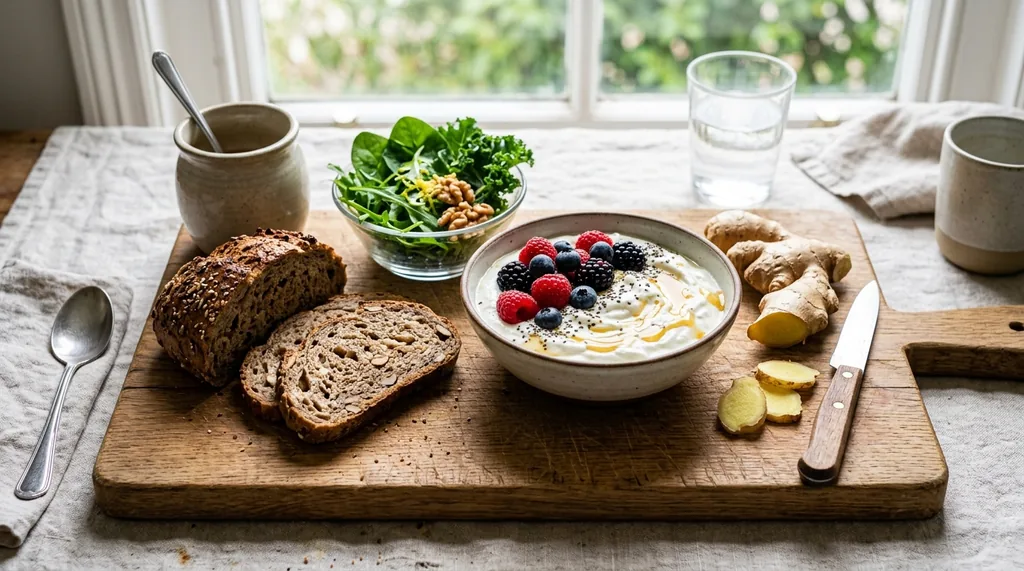
Natural Foods That Help With Digestive Issues: A Practical Guide
Digestive problems — including bloating, constipation, acid reflux, and irregular bowel habits — affect a significant proportion of the population at any given time. While some conditions require medical attention, many common complaints respond well to straightforward dietary changes. The foods you eat directly shape the composition of your gut microbiome, the speed of digestion, and the integrity of your gut lining.
Why diet matters for digestive health
The digestive system processes everything you consume. A diet low in fibre, high in processed foods, and lacking in diversity creates conditions where harmful bacteria can outcompete beneficial ones, gut motility slows, and inflammation increases. Conversely, a diet built around whole foods, adequate fibre, and fermented products actively supports the billions of microorganisms that regulate digestion, immunity, and even mood.
According to the NHS digestive health guidance, the most effective dietary strategies for gut health are consistent — high fibre intake, adequate hydration, regular meals, and limiting processed food and alcohol.
Whole grains
Whole grains — oats, barley, quinoa, brown rice, farro, and whole grain bread — retain their bran, germ, and endosperm, all of which contain fibre, vitamins, and minerals stripped out during refining. The insoluble fibre in whole grains adds bulk to stool and speeds transit time through the colon, reducing constipation risk. The soluble fibre, particularly beta-glucan in oats, feeds beneficial gut bacteria and produces short-chain fatty acids that reduce gut inflammation.
A practical approach: swap white rice for brown rice or quinoa, choose whole grain bread, and eat oats for breakfast three or more times per week. These small substitutions significantly increase fibre intake without requiring major dietary overhauls.
Fermented foods
Fermented foods are among the most direct ways to support the gut microbiome. Fermentation introduces live bacterial cultures — primarily lactobacillus and bifidobacterium species — that compete with harmful bacteria, produce beneficial compounds, and support the gut lining.
Yogurt
Live culture yogurt is the most accessible fermented food. It provides probiotic bacteria alongside protein and calcium. Choose plain yogurt with active cultures rather than flavoured varieties, which typically contain significant added sugar. For a deeper look at the specific benefits, the guide to health benefits of yogurt covers the research in detail.
Kefir
Kefir is a fermented milk drink with a higher probiotic diversity than most yogurts — typically containing 10 to 34 bacterial and yeast strains compared to two or three in standard yogurt. It is well tolerated by many people with lactose sensitivity, as the fermentation process breaks down most of the lactose.
Miso, kimchi, and sauerkraut
These fermented plant foods provide probiotic bacteria alongside fibre and antioxidants. Kimchi and sauerkraut are particularly useful for people who do not consume dairy. Add them as condiments rather than cooking them at high temperatures, which kills the live cultures.
Fruits and vegetables
Fruits and vegetables provide both insoluble and soluble fibre, alongside polyphenols that act as prebiotics — feeding beneficial gut bacteria. Eating a wide variety of coloured vegetables and fruits exposes your gut microbiome to a broad range of these compounds, which research consistently links to greater microbial diversity and better digestive function.
Particularly useful choices include apples and pears (pectin, a soluble fibre), leafy greens (magnesium, which supports muscle contractions in the gut), bananas (resistant starch and inulin), broccoli and other brassicas (sulforaphane, which reduces gut inflammation), and berries (polyphenols that support microbiome diversity).
Adding more variety — rather than simply eating more of the same vegetables — is the key. Aim for 30 different plant foods per week, a target linked in research to significantly higher gut microbiome diversity.
Lean proteins
High-fat meats, processed meats, and fried proteins can slow digestion and promote the growth of bacteria associated with gut inflammation. Lean proteins — skinless chicken, turkey, white fish, eggs, and legumes — provide the amino acids needed for gut lining repair and immune function without the digestive burden of high-fat alternatives.
Omega-3 fatty acids, found in oily fish such as salmon, mackerel, and sardines, actively reduce intestinal inflammation and support the integrity of the gut lining. Including oily fish two or three times per week has consistent evidence behind it for both gut and cardiovascular health.
Ginger and anti-inflammatory herbs
Ginger contains gingerols and shogaols — compounds with demonstrated anti-inflammatory and prokinetic effects, meaning they help move food through the digestive tract more efficiently. Ginger has been shown to reduce nausea, bloating, and gastric emptying time. Fresh ginger in cooking, ginger tea, or ginger supplements all provide these benefits.
Other herbs worth including: peppermint (relaxes intestinal muscle spasms, particularly effective for IBS symptoms), chamomile (anti-inflammatory, reduces cramping), and turmeric (curcumin reduces gut inflammation). For a broader look at spices with gut health evidence, the article on Indian spices that boost gut health covers several in detail.
What to eat less of
Dietary changes for gut health are as much about reduction as addition. The foods most consistently linked to digestive problems include: ultra-processed foods with emulsifiers and artificial additives (which disrupt the gut microbiome), excess added sugar (feeds harmful bacteria), fried and high-fat foods (slow gastric emptying), artificial sweeteners particularly sorbitol and xylitol (cause osmotic diarrhoea), and carbonated drinks (increase bloating). According to Healthline’s analysis of gut-healthy foods, consistent reduction of ultra-processed foods alongside an increase in fibre and fermented foods produces measurable improvements in microbiome diversity within a few weeks.
Frequently Asked Questions About Natural Foods for Digestive Issues
What foods should I avoid to prevent bloating and digestive problems?
Foods commonly linked to bloating and digestive discomfort include highly processed foods, excess added sugar, fried and fatty foods, spicy foods, carbonated drinks, and artificial sweeteners. These can disturb gut microbiome balance, irritate the gut lining, and slow digestion. Reducing these while increasing fibre, water, and fermented foods is a practical starting point.
Can stress cause digestive problems?
Yes. The gut and brain are connected via the gut-brain axis, and chronic stress can disrupt the digestive system significantly. Stress-related digestive complaints include bloating, acid reflux, constipation, diarrhoea, and IBS symptoms. Managing stress through regular exercise, sleep, and relaxation supports gut health alongside dietary changes.
What are the best drinks for good digestion?
Water is the most important — adequate hydration softens stool, aids nutrient absorption, and keeps digestion moving. Herbal teas including ginger, peppermint, and chamomile have evidence for reducing bloating and settling the stomach. Kefir provides live probiotic cultures in drink form. Caffeinated and carbonated drinks should be limited, as both can irritate the gut lining.
How can I add more fibre and probiotics to my diet?
Add fibre gradually to avoid gas and bloating from a sudden increase. Good sources include oats, lentils, beans, whole grain bread, apples, and broccoli. For probiotics, include fermented foods daily — live culture yogurt, kefir, kimchi, sauerkraut, or miso. Drink plenty of water alongside any increase in fibre intake.
What are the four Rs of gut repair?
The four Rs protocol addresses gut restoration systematically: Remove (eliminate foods, pathogens, or stressors disrupting gut function), Replace (restore digestive enzymes and stomach acid), Re-inoculate (reintroduce beneficial bacteria through probiotics and fermented foods), and Repair (support gut lining healing with nutrients such as glutamine, zinc, and omega-3 fatty acids).