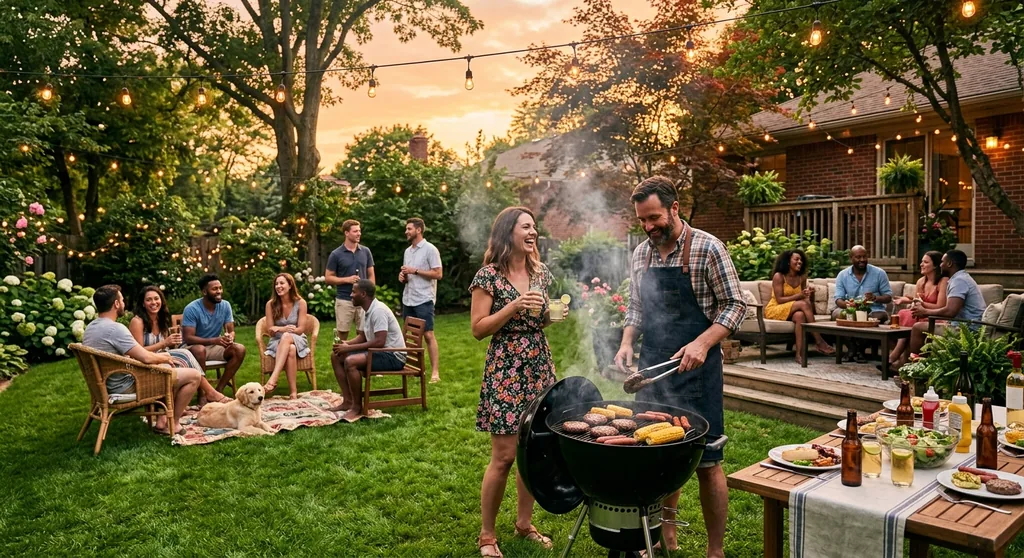
How to Plan the Best Backyard BBQ: A Complete Host’s Guide
According to the Hearth, Patio and Barbecue Association, 79% of American adults own a grill or smoker, and backyard barbecues rank among the most popular summer activities in the country. A good BBQ is not complicated, but a great one takes a little planning. The difference between a forgettable cookout and one your guests talk about for years usually comes down to a handful of decisions made well in advance.
This guide walks you through exactly how to plan the best backyard BBQ — from picking your location and choosing the right grill to food prep, lighting, and keeping guests entertained all day. Whether you are hosting twenty people or just a handful of close friends, the same principles apply.
Choose the right location first
Your backyard BBQ starts with the right spot. You need enough space for guests to move freely, a surface that is stable for your grill, and enough distance from the house to stay safe. The National Fire Protection Association recommends keeping grills at least 10 feet away from the house, deck railings, and overhanging branches. Positioning your grill upwind of your guests also keeps smoke out of the seating area.
If your backyard is on the smaller side, consider a nearby park or community space. Many parks allow permitted BBQ events, and the additional room makes a real difference for larger gatherings. Once your location is set, everything else falls into place.
Pick the right grill for your setup
The grill you choose shapes the entire cooking experience. Here is how the main options compare:
- Gas grills heat quickly and consistently, making them easiest for weeknight-style gatherings where you want minimal hassle. They also offer precise temperature control, which matters when cooking chicken or fish alongside burgers.
- Charcoal grills produce better flavor due to the Maillard reaction at high heat and the subtle smoke that infuses the meat. The tradeoff is longer setup time and more active management during cooking.
- Portable grills make sense if you are cooking for a small group or need to travel to another location. They are limited in capacity but very practical for four to six people.
For a large gathering of 20 or more guests, you will need a grill with at least 500 square inches of cooking surface to avoid spending the entire event at the grill. Confirm you have enough fuel before guests arrive — running out of charcoal or gas mid-cook is a very avoidable problem.
Plan your food and drinks ahead of time
The biggest BBQ mistake is trying to prep everything on the day. Doing as much as possible in advance frees you to actually enjoy your own party. Here is a practical breakdown:
The night before
- Marinate your meats and store them in sealed containers in the refrigerator
- Prepare cold side dishes like potato salad, coleslaw, and pasta salad
- Cut vegetables for skewers and store them in zip-lock bags
- Make salsas, guacamole, and dips — these improve overnight as flavors develop
Day-of prep
- Set up the snack and drinks station first so guests have something on arrival
- Keep raw meats refrigerated until 30 minutes before cooking
- Prepare your grill 20 to 30 minutes before cooking — charcoal needs time to reach the right temperature
- Have a dedicated cooler for drinks with enough ice to last the whole event
For snacks that hold well in the heat, stick to hummus, fresh vegetables, fruit platters, tortilla chips with tomato salsa, and corn salsa. Avoid cheese-based dips and cream-heavy items that spoil quickly in warm weather. If you want inspiration for simple crowd-pleasing food, check out these easy lunch recipes everyone loves that translate well to an outdoor setting.
Set up shade, lighting, and ambiance
A great backyard BBQ looks good and feels comfortable from the moment guests arrive until the last person leaves. These details make the difference:
Shade
Not everyone enjoys direct sun, and prolonged exposure on a hot day is genuinely unpleasant. Set up umbrellas, a canopy, or position seating under trees. Having a shaded area is not optional for a midday summer BBQ — it is part of basic hospitality.
Lighting
If your BBQ runs into the evening, you need lighting. String lights are easy to install, inexpensive, and create a warm atmosphere that keeps energy high. Add citronella candles around the perimeter — they reduce mosquito activity and add ambient light at the same time. According to the US Environmental Protection Agency, citronella products can reduce mosquito presence in the immediate area when used correctly.
Music
A playlist matters more than most hosts realize. Set up outdoor speakers before guests arrive and have a playlist ready that starts relaxed and builds energy through the afternoon. Singer-songwriters and acoustic tracks work well for midday. As the afternoon progresses into evening, shifting toward pop or more upbeat music keeps the party moving. Aim for 6 to 8 hours of music so you never have to touch the queue during the event.
Organize games and activities for all ages
Good food keeps people at a BBQ. Good games keep them there for hours. Have at least two or three options available so guests can self-select based on interest and energy level:
- Cornhole — the most universally played backyard BBQ game, easy for all ages and competitive enough to hold attention
- Giant Jenga — scales up the classic game for outdoor use and creates genuine tension as the tower gets taller
- Bocce ball — works on grass or gravel, accommodates four to eight players at once
- Frisbee or football toss — informal, no setup required, good for keeping energy up
For children, set up a separate activity zone with sidewalk chalk, bubbles, and age-appropriate games. Keeping kids engaged separately from the adult games makes the whole event run more smoothly.
Check the weather forecast and have a backup plan
Check the forecast starting five days out, then again the night before. Pick a date in a month that is historically dry for your region, and be realistic about acceptable weather. Light cloud cover is actually ideal for a summer BBQ — full sun on a very hot day is less comfortable than most hosts anticipate.
Always communicate a rain plan in your invitations. Options include: a rain date, a covered patio or garage setup, or a nearby indoor venue for smaller groups. Guests appreciate knowing the plan in advance rather than finding out at the last minute.
Give your BBQ a theme
A theme does not need to be elaborate — even a simple color scheme or regional food focus gives the party a distinct identity that guests remember. Some straightforward options:
- Southern smokehouse — ribs, pulled pork, cornbread, sweet tea
- Tex-Mex grill — fajitas, grilled corn, guacamole, margaritas
- Hawaiian luau — grilled pineapple, teriyaki skewers, tropical drinks
- Classic American cookout — burgers, hot dogs, potato salad, lemonade
A theme also makes invitation wording and decoration choices easier, and it gives guests a sense of what to expect and what to wear.
FAQ: How to plan the best backyard BBQ
Where should you place the grill in your backyard?
The National Fire Protection Association recommends placing grills at least 10 feet away from the house, deck railings, and any overhanging branches. Position the grill on a flat, stable surface and keep it upwind of your guests to direct smoke away from the seating area.
What food works best for a backyard BBQ?
Classic grilled mains like burgers, hot dogs, chicken thighs, and ribs pair well with sides like potato salad, coleslaw, baked beans, and corn on the cob. For heat-safe snacks, stick to hummus, fresh vegetables, fruit, and salsa-based dips. Avoid cream or cheese-based dips that spoil quickly in warm weather.
What is the difference between grilling and barbecuing?
Grilling uses direct, high heat for fast cooking — burgers and hot dogs take minutes on a hot grill. Barbecuing uses indirect, low heat with smoke over several hours, producing tender results in cuts like brisket, ribs, and pulled pork. The two methods produce very different textures and flavor profiles.
Is charcoal or gas better for a backyard BBQ?
Gas grills are more convenient — they heat quickly, maintain consistent temperatures, and are easy to control. Charcoal produces better flavor due to the smoke and higher sear temperatures. For large casual gatherings where convenience matters, gas is the practical choice. For flavor-focused cooking, charcoal wins.
How far in advance should you start BBQ planning?
Start planning at least one to two weeks out for a larger gathering. Send invitations at least a week in advance, shop for non-perishables a few days before, and do your main food prep the night before the event. This approach keeps the day itself relaxed rather than chaotic.