
Classic Aesthetic Outfits: The Complete Style Guide From Vintage to Y2K
What Is a Classic Aesthetic Outfit?
A classic aesthetic outfit is a style built around combining pieces from multiple eras into a look that feels simultaneously timeless and personal. Rather than chasing a single trend, it draws from the visual vocabulary of decades past — the 60s, 70s, 90s, Y2K, and beyond — and layers them with modern basics to create something distinctive. The goal is an appearance that holds up regardless of what’s currently trending. These are the key aesthetics worth knowing.
Vintage Style
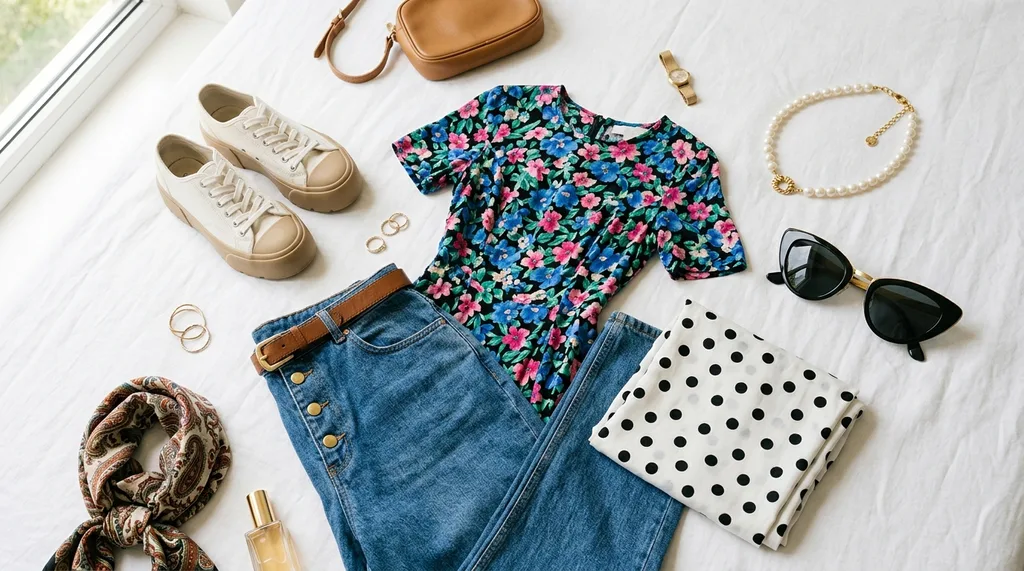
Vintage fashion has seen a sustained revival, driven by a renewed appreciation for the craftsmanship and silhouettes of earlier decades. The look centers on traditional patterns like polka dots (a 1950s staple), high-waisted pants, voluminous skirts, and fitted blouses. Accessories matter enormously: pearl necklaces, retro headscarves, and cat-eye sunglasses can transform a modern base outfit into something that reads unmistakably vintage. Thrift stores and vintage-specific online platforms are the most reliable sources for pieces that carry authentic character rather than manufactured nostalgia.
Soft Girl
The soft girl aesthetic prioritizes pastel colors, oversized silhouettes, and a deliberately feminine sensibility. It originated in Japan’s kawaii culture and spread globally through social media. The core wardrobe consists of pastel-colored skirts, babydoll dresses, and oversized sweaters worn with high-waisted jeans, finished with headbands, scrunchies, and heart-shaped sunglasses. Soft girl acts as a counterpoint to the harder, more aggressive styles that have dominated fashion in recent years — it is about lightness and a particular kind of youthful innocence. Retailers like Urban Outfitters stock most of the key pieces.
90s
1990s fashion produced two broad streams that continue to influence modern dressing: grunge and preppy. Mom jeans are the essential anchor of any 90s-inspired wardrobe, best paired with a fitted turtleneck or crop top. Sweater vests layered over button-up shirts or turtlenecks are another decade-defining silhouette. The late 2010s VSCO girl aesthetic was largely a 90s revival, and the influence continues today in everything from oversized denim to platform sneakers. What makes 90s pieces work in a modern classic aesthetic outfit is their combination of relaxed fit and clean construction.
Cottagecore
Cottagecore romanticizes rural life, slow living, and handcrafted simplicity. The look favors loose, comfortable silhouettes in earthy tones and soft natural fabrics — linen and cotton above synthetic materials. Lace trims, ruffles, floral prints, and vintage-pattern details define the aesthetic, while accessories like woven shoulder bags, straw hats, and handcrafted jewelry complete the image. Cottagecore works as a classic aesthetic outfit precisely because it draws from a long tradition of pastoral style rather than any specific commercial trend. It pairs well with the principles of sustainable fashion: choosing natural materials, buying secondhand, and investing in pieces that last. Building a sustainable wardrobe and developing a cottagecore aesthetic share more overlap than most people realize.
Y2K
Y2K fashion is making one of the more prominent comebacks in current mainstream style. The early 2000s aesthetic is defined by midriff-baring crop tops, low-rise jeans, miniskirts, chunky platform sandals, and small backpacks. The color palette runs toward vivid and saturated — a sharp contrast to the minimalism that characterized much of 90s fashion. Mixing genres is core to the Y2K approach: combining grunge, pop punk, and preppy elements within a single look is part of the aesthetic’s logic. The key difference from 90s style is the embrace of a more whimsical, almost futuristic sensibility.
Grunge
Grunge fashion emerged from the punk and alternative rock scenes of the early 1990s and has maintained cultural relevance ever since. The look centers on oversized and distressed pieces: large flannel shirts, torn jeans, and heavy layering across different textures and materials. Accessories are deliberate — studded belts, chokers, and combat boots are defining pieces. Grunge works within a classic aesthetic outfit as an edge element: its rebellious, low-effort attitude contrasts with more polished aesthetics and adds visual tension when mixed with cleaner or softer styles.
Indie
Indie fashion values individuality and non-mainstream expression above adherence to any specific trend. It is built around mixing vintage finds with modern pieces, favoring layered and oversized silhouettes: flowy skirts, baggy sweaters, experimental pattern combinations. Chunky boots, bold jewelry, and statement hats are essential finishing touches. What separates indie from other classic aesthetics is the emphasis on curation as a creative act — every combination is deliberately original rather than category-correct.
60s
1960s fashion was defined by the emergence of mod style: clean lines, bold geometric prints, and A-line silhouettes. Key pieces include A-line dresses, miniskirts, slim-cut pants, turtlenecks, and Peter Pan collars. The palette tends toward striking contrasts — black and white geometric patterns, bold solids, and two-tone combinations. Accessories like statement jewelry, cat-eye sunglasses, and Chelsea or Mary Jane boots anchor the look. For anyone building a classic aesthetic outfit that leans toward the mod end of the spectrum, the 60s provides some of the most consistently wearable reference material in fashion history.
70s
The 1970s were characterized by self-expression, wide silhouettes, and an exuberant color sensibility. Bell-bottom jeans, wide-legged pants, paisley and floral prints, and flowy blouses with balloon sleeves define the decade’s core wardrobe. Maxi dresses, fitted turtlenecks, and jumpsuits are versatile options for modern interpretations. Chunky jewelry, platform shoes, and oversized sunglasses provide the period-accurate finishing details. 70s pieces integrate particularly well into modern classic aesthetic outfits because their generous cuts work across multiple body types and the color palette translates well into contemporary contexts.
Preppy
Preppy style originated in the Ivy League culture of the American Northeast in the early 20th century and remains one of the most polished and immediately readable classic aesthetics. The look is built around quality basics in navy, red, and white: pleated skirts, blazers, and button-down shirts in stripe, plaid, or solid. Accessories reinforce the tailored image — classic watches, structured tote bags, and loafers or Oxford shoes. The preppy aesthetic works in a broader classic outfit framework because of its internal consistency: every element reads as considered and put-together.
Light Academia
Light academia is a relatively recent aesthetic that combines scholarly and vintage-inspired elements under a soft, warm color palette: beige, cream, dusty pink, and warm neutral tones. Pleated midi skirts, Oxford shoes, wool jackets, and loafers are the core wardrobe pieces. The aesthetic draws heavily from British and European academic traditions — think Victorian reading rooms and 1950s university campuses. Natural soft makeup and loosely styled hair complete the look. Light academia sits at the overlap between vintage fashion and intellectual style, making it one of the more adaptable entries in the classic aesthetic outfit family. It contrasts with dark academia through its palette and mood — where dark academia leans gothic and somber, light academia favors warmth and quiet optimism. According to Vogue’s guide to the academia aesthetic, both styles have grown into self-sustaining subcultures with dedicated online communities and distinct fashion identities.
How to Build a Classic Aesthetic Wardrobe
The common thread across all classic aesthetic outfits is intentionality — each piece is chosen for its character rather than its trend status. Start with foundational basics in neutral colors, then layer in era-specific pieces that reflect the aesthetics you’re drawn to. Pay attention to proportion: mixing oversized with tailored, or casual with structured, is what creates visual interest without the look becoming chaotic.
Investing in fewer, better-quality pieces produces more mileage than building a large wardrobe of fast fashion items. A well-chosen vintage coat or a quality pair of high-waisted jeans will serve a classic aesthetic wardrobe for years. The principles behind building a sustainable wardrobe align closely with the classic aesthetic philosophy: quality over quantity, timeless over trendy, and thoughtful curation over impulse purchasing. According to Harper’s Bazaar’s guide to a timeless wardrobe, the most durable personal style is built around understanding what you actually wear and what genuinely reflects your personality, rather than assembling looks around trend calendars.
Frequently Asked Questions
How do you mix vintage and modern fashion?
Balance vintage pieces with modern basics — a vintage shirt with modern trousers, or a vintage skirt with a contemporary sweater. Use vintage items as accent pieces within a modern base, and bridge the two eras through accessories and matching tones rather than forcing a single-decade coherence.
How do you dress with classic style?
Focus on well-fitting, high-quality basics in neutral colors: a tailored blazer, well-fitting jeans, and a white button-up shirt as starting points. Keep silhouettes clean, limit accessories to a few considered pieces, and build outfits around enduring cuts rather than season-specific trends.
What is the soft girl style?
The soft girl aesthetic is a hyper-feminine look defined by pastel colors, warm textures, and playful accessories like bows, frills, and floral patterns. It draws from Y2K fashion and kawaii culture, and tends to pair delicate pieces with slightly contrasting elements like chunky sneakers or oversized knitwear.
What is cottagecore fashion?
Cottagecore is a romantic, rural-inspired aesthetic built around flowing dresses, puff sleeves, ruffles, lace details, and natural materials like cotton and linen. It favors soft earthy tones and patterns like gingham, toile, and floral prints, and is influenced by a broader nostalgia for slower, more handcrafted ways of living.
What is the difference between light and dark academia?
Light academia favors soft, warm colors like beige and cream, airy fabrics, and a romantic, optimistic tone — ideal for daytime and outdoor settings. Dark academia uses deeper, cooler tones like charcoal, burgundy, and forest green, with heavier layering and a moodier, more introspective atmosphere.
Pingback: Délices Pastel de Chanel Spring 2023: Eyeshadow, Powder & How to Wear It