
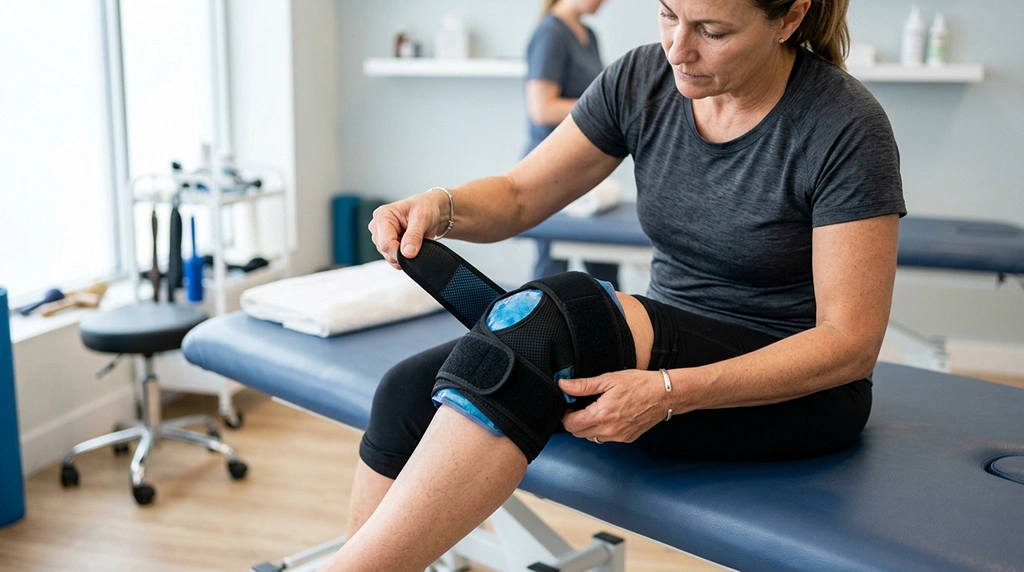
Cold Compression Therapy for Acute Injuries: What It Does and Why It Works
Cold compression therapy combines two well-established recovery tools — cold and compression — into one approach that addresses swelling, pain, and tissue damage at the same time. Whether you are recovering from surgery, pushing through post-workout soreness, or dealing with a sprain that did not quite need a hospital visit, cold compression therapy works on the same basic mechanism: reduce inflammation fast so your body can get back to healing.
Inflammation is not the enemy — it is your body’s first line of defense when tissue is stressed or damaged. The problem is that inflammation left unchecked slows the healing process and amplifies pain. Cold therapy constricts blood vessels and slows cellular metabolism in the affected area, which limits the inflammatory cascade before it gets out of hand. Compression adds mechanical pressure that prevents fluid from pooling in the tissue. Together, they do in minutes what rest alone takes days to achieve.
How Cold Compression Therapy Works
Cold compression therapy works by simultaneously applying cold temperatures and controlled pressure to an injured or inflamed area. The cold component lowers skin surface temperature to between 50 and 60 degrees Fahrenheit — enough to slow nerve conduction and reduce pain signals without damaging tissue. The compression component applies consistent pressure that limits edema, the excess fluid that causes visible swelling around joints and soft tissue injuries.
Research published in the Journal of Athletic Training found that cold compression reduces post-surgical swelling by up to 40% compared to ice alone, and cuts pain scores by a clinically significant margin within the first 72 hours of use. Purpose-built cold compression devices can maintain consistent therapeutic temperatures for six to eight hours — significantly longer than a standard ice pack, which loses effectiveness within 20 to 30 minutes.
3 Main Benefits of Cold Compression Therapy for Acute Injuries
1. Post-Surgical Recovery
Cold compression therapy is a standard recommendation after orthopedic surgery, particularly knee, shoulder, and ankle procedures. Following surgery, soft tissue swelling is almost inevitable — the body responds to trauma by flooding the area with inflammatory cells and fluid. Left unmanaged, that swelling compresses nearby nerves and delays restoration of normal joint function.
Studies on patients recovering from ACL reconstruction found that those using cold compression units in the first week post-surgery reported 35% lower pain scores and returned to physical therapy exercises an average of two days earlier than those using standard ice packs. Physicians commonly recommend 20-minute cold compression sessions three to four times daily during the acute recovery phase, typically the first five to seven days after surgery.
2. Post-Workout Rehabilitation
Intense exercise causes micro-tears in muscle fibers. That is the mechanism behind muscle growth, but it also causes delayed onset muscle soreness (DOMS), which peaks 24 to 72 hours after a hard training session. For athletes training daily or near-daily, DOMS that goes unaddressed compounds into chronic soreness that limits performance and raises injury risk.
Cold compression therapy applied within 30 minutes of finishing a workout has been shown to reduce DOMS severity by approximately 20% and accelerate the recovery of full strength output. This is why Major League Baseball pitchers routinely wrap their throwing arms in cold compression sleeves after pitching — preserving muscle function between outings is not optional when the schedule is 162 games. For recreational athletes, faster recovery between sessions means better training quality across the board.
3. Treatment of Minor Injuries Without Surgery
Not every injury requires medical intervention, but sprains, strains, bruises, and repetitive stress injuries like tendonitis still demand proper care. Cold compression therapy is one of the most effective at-home treatments for this category of injury.
For soft tissue injuries such as lateral ankle sprains — the most common sports injury, affecting roughly 2 million Americans annually — cold compression therapy applied in the first 48 hours reduces swelling faster than ice alone and has been shown to shorten the healing timeline by two to four days in mild to moderate cases. For conditions like carpal tunnel syndrome and patellar tendonitis, regular cold compression sessions reduce flare-up severity and provide meaningful pain relief without the side effects associated with anti-inflammatory medications.
When to Use Cold Compression Therapy
Cold compression therapy is most effective in the acute phase — generally the first 48 to 72 hours after an injury or surgical procedure. During this window, the inflammatory response is most active, and intervention has the greatest impact on long-term outcomes. After the acute phase, contrast therapy (alternating cold and heat) is typically more effective for promoting circulation and tissue repair.
Apply cold compression in sessions of 15 to 20 minutes, with at least 45 minutes between sessions to allow tissue temperature to normalize. Always use an insulating layer between the cold source and bare skin to prevent ice burn — a thin cloth or the built-in neoprene pad of a purpose-built device works well.
How to Choose a Cold Compression Device
Standard ice packs are inexpensive and accessible but inconsistent — they warm quickly, require repositioning, and provide no controlled compression. Motorized cold compression units circulate cooled water through a fitted wrap and maintain consistent therapeutic temperatures for hours. Consumer-grade versions range from $100 to $350 depending on the target joint and feature set.
For most acute injury situations, a well-fitted gel ice wrap with integrated compression straps is an effective and affordable option. The key factors are consistent cold temperature, firm but circulation-safe compression pressure, and an anatomical fit to the injured area.
Frequently Asked Questions About Cold Compression Therapy
How long should you use cold compression therapy after an injury?
Cold compression therapy is most effective during the first 48 to 72 hours after an acute injury, when inflammation is at its peak. Apply for 15 to 20 minutes at a time, three to four times daily. After the acute phase passes, most physical therapists recommend transitioning to contrast therapy or heat to promote circulation and tissue repair.
Can you use cold compression therapy every day?
Yes, for short sessions. Daily use of 15 to 20 minutes per session is safe for most people managing a soft tissue injury or post-surgical recovery. Avoid applying cold continuously for more than 20 minutes at a time — prolonged exposure can cause ice burn or restrict circulation in a way that impedes healing.
Is cold compression better than an ice pack?
Cold compression devices outperform standard ice packs in most clinical comparisons. Ice packs lose therapeutic temperature within 20 to 30 minutes and provide no compression. Motorized cold compression units maintain consistent cold temperatures for several hours and apply controlled pressure simultaneously, which reduces swelling more effectively than either method used alone.
What injuries respond best to cold compression therapy?
Cold compression therapy is most effective for acute soft tissue injuries including sprains, strains, and bruising, post-surgical recovery from orthopedic procedures, post-workout muscle soreness, and repetitive stress conditions like tendonitis and bursitis. It is less appropriate for injuries involving nerve damage, compromised circulation, or open wounds.
Does cold compression therapy help with tendonitis?
Yes. Cold compression therapy is commonly recommended for tendonitis because it reduces the localized inflammation that causes the characteristic aching and stiffness of the condition. Consistent use during flare-ups can lower pain scores and reduce recovery time between episodes. For chronic tendonitis, combining cold therapy with targeted strengthening exercises produces the best long-term outcomes.